
Key Strategies to Differentiate Holiday Lets Using Branding and Technology
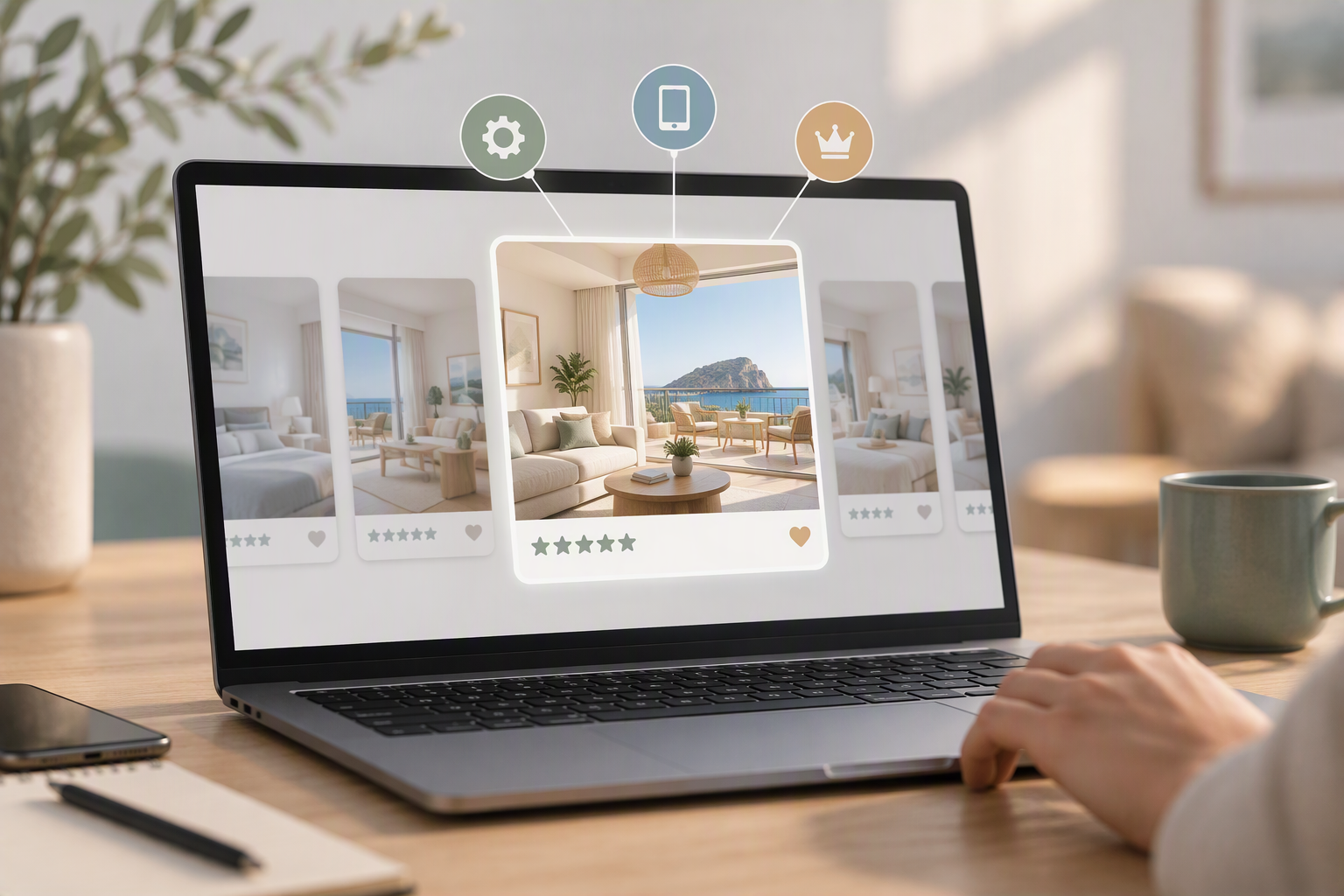
The holiday let sector has undergone a profound transformation over recent years. What began as an informal market built on occasional home swaps has now become a hyper-competitive, professionalised industry. Nowadays, listing a property with generic photos, basic flat-pack furniture, and waiting for bookings to fall from the sky via Airbnb or Booking.com is no longer a viable way to ensure long-term profitability.
Market saturation across major cities and coastal hotspots has driven down average daily rates (ADR), forcing many property owners into a dangerous price war. Competing purely on the lowest price is a race to the bottom that slashes operating margins, attracts troublesome guests, and accelerates wear and tear on your property.
To escape this trap, professional hosts and property managers must rely on a three-pronged strategy: high-impact branding, a seamless digital experience, and process automation. In this comprehensive guide, we examine practical ways to transform an ordinary property into a memorable and highly profitable brand.
1. Building Your Own Brand in the Holiday Rental Sector
The most common conceptual mistake amongst novice hosts is thinking their business is the physical flat. In reality, the bricks and mortar are merely the vessel; the real product the guest buys is an experience, an atmosphere, and the reassurance of a hassle-free stay. Crafting your own distinct brand allows you to break free from platform algorithms and cultivate long-term guest loyalty.
Defining Your Ideal Guest and Unique Value Proposition
You cannot appeal to everyone. Attempting to design a property that simultaneously accommodates a family with infants, a remote-working digital nomad, and a group of friends on a weekend getaway will result in an uninspiring, characterless space. Specialisation is the first step towards genuine differentiation.
- Digital nomads and remote workers: They look for symmetrical, high-speed fibre broadband (proven by a speed test screenshot in your listing), ergonomic desk chairs, spacious work surfaces, easily accessible plug sockets, and speciality coffee.
- Families with children: They prioritise safety (socket covers, stairgates, bed rails), safety-approved travel cots, high chairs, shatterproof tableware, and a curated guide to family-friendly local outings.
- Couples and romantic breaks: They seek seclusion, warm dimmable lighting, premium linen, a bathtub or hot tub, and thoughtful touches like scented candles or quality Bluetooth speakers.
Visual Storytelling and Aesthetic Cohesion
Interior design should never be an assortment of clearance-sale items thrown together at random. Every piece should support a narrative tied to the local setting or the property's concept. If your home is in the countryside, incorporating natural timber, local artisanal pottery, and native flora creates an authentic, inviting narrative. In an urban environment, a minimalist, functional, and industrial finish resonates better with cosmopolitan city travellers.
Make sure you give your property a distinctive name with personality (for example, "The Glass Studio Málaga" or "Chestnut Hideaway") rather than using generic titles like "Lovely 2-bed central flat". This simple change makes it easier for guests to remember your property, search for it directly on Google or social media, and recommend it to friends.
Tangible Micro-Experiences That Make an Impression
The finest details often prompt five-star reviews and justify rates well above the local average:
- Locally sourced welcome hampers: Swap generic plastic bottles of water for a bottle of regional wine, artisan cheese, or preserves made in a neighbouring village.
- Bespoke aromatherapy: The sense of smell has the strongest link to memory. Consistently use a subtle room scent featuring notes of fig, cedarwood, or orange blossom so guests immediately associate that aroma with relaxation at your property.
- A beautifully bound printed guide: While a digital guide is essential, placing a stylishly printed, coffee-table-worthy handbook in the living area conveys exceptional professionalism and care.
2. Designing a Frictionless Digital Experience
Modern travellers are accustomed to the speed and convenience of platforms like Uber, Spotify, and Amazon. When travelling, they expect the same autonomy, efficiency, and clarity. Your guest's digital journey does not start when they turn the key; it begins the second their booking is confirmed.
Mapping the Guest Journey
To eliminate pain points, break down your guest interactions into four essential stages:
- Pre-arrival: Sending confirmation details, verifying guest IDs, signing rental agreements, and answering queries regarding parking and airport transfers.
- Arrival (Check-in): Effortless self-check-in without waiting, clear instructions on house amenities, and a warm welcome note.
- During the stay: Prompt responses to issues, real-time local recommendations, and helpful yet unobtrusive support.
- Departure and post-stay: Clear, reasonable check-out instructions (avoid demanding chores like taking out rubbish or stripping beds if you charge a cleaning fee), heartfelt thanks, and an internal feedback request.
Digital Access and Regulatory Compliance
Expecting guests to confirm an exact arrival time after a four-hour flight or delays in traffic causes unnecessary stress for both sides. Installing smart locks (keypads, Wi-Fi or Bluetooth-enabled locks) completely modernises their arrival experience.
However, remote check-ins often complicate legal compliance, such as collecting official guest details and lodging them with local authorities. Automating this step with dedicated software is the ideal solution. By integrating an automated check-in system configured for statutory guest registers, travellers can fill in their details and sign digitally on their smartphones hours before arrival. This ensures full compliance with the law without making guests wait outside your door for a single minute.
Interactive Digital Guest Manuals vs Outdated Binders
Faded plastic binders filled with dog-eared photocopies explaining how to switch on the boiler or microwave belong to the past. Today, a digital welcome guide accessed via a web link or a QR code is far more practical.
In your digital guide, incorporate short ten-second videos showing how to work the coffee machine, set the air conditioning, or open the garage gate. Include direct Google Maps links to your favourite local eateries categorised by occasion (working breakfast, romantic dinner, casual tapas), specifying must-try dishes and whether booking in advance is advised.
3. Operational Automation: Work Smarter, Host Better
There is a widespread misconception that automation dehumanises hospitality. In reality, the opposite is true: by automating repetitive, mechanical tasks, you reclaim the time and mental energy required to provide genuine, empathetic support whenever it is truly needed.
Scheduled Messaging and Strategic Communication
Roughly 80% of guest queries are identical for every reservation: "What time can we check in?", "Can we leave our bags somewhere?", "What is the Wi-Fi password?", or "Where are the bins located?".
The secret is to answer questions before the guest even needs to ask them. Rather than being glued to your phone round the clock, configure an advanced system of automated guest messaging triggered by key dates in the booking lifecycle:
- Message 1 (Sent immediately after booking): A personalised thank-you message confirming key details, alongside a link to the online pre-check-in form.
- Message 2 (3 days before check-in): A reminder of check-in times, door access codes, property coordinates, and parking tips.
- Message 3 (Morning after the first night): A warm, brief check-in message asking if they slept comfortably or require extra pillows or blankets. This uncovers minor concerns before they turn into critical online reviews.
- Message 4 (Evening before check-out): Straightforward departure instructions, an expression of gratitude, and a polite reminder of check-out times without rushing them.
Example of a Warm, Automated Message Template
Notice the contrast between a robotic transactional message and one designed to build connection through automation:
"Hi [Name], we hope you had a lovely night's sleep and that the bed was comfortable after your journey. Just a quick note to make sure everything is to your liking and that the room temperature is comfortable. If you fancy breakfast out this morning, we highly recommend 'The Mill' café just around the corner – their sourdough toast with local preserves is fantastic. Have a wonderful day exploring!"
This message is set up once using dynamic variables, yet the effect on the guest is remarkable: they feel cared for by an attentive host.
Streamlining Cleaning and Preventative Maintenance
One of the quickest ways to lose Superhost or Preferred Partner status across major platforms is a poor review regarding cleanliness or faulty household appliances. Automation should manage internal team workflows just as effectively as guest communications.
Coordinating cleaners manually via WhatsApp for every turnover is an operational risk. Modern property management syncs reservation calendars directly with your cleaning team, triggering automated schedules upon checkout, enforcing photo checklists, and immediately reporting any damages or maintenance requirements left behind.
4. Direct Booking Strategies: Reducing Reliance on OTAs
Online travel agencies (OTAs) such as Airbnb, Booking.com, and Vrbo offer fantastic international visibility, particularly when launching a new property. Nevertheless, depending entirely on them means relinquishing control over your customer base, handing over 15% to 20% in booking fees, and risking sudden revenue drops whenever search algorithms change.
Your Direct Booking Website as a Core Asset
Standing out also involves owning your distribution channels. Operating a professional website with an integrated direct booking engine provides clear commercial advantages:
- Better net margins: You can offer a 5% to 10% discount compared to OTA prices while still taking home a higher profit on every night booked.
- Ownership of guest data: You collect authentic email addresses and phone numbers, enabling compliant direct email marketing under GDPR guidelines.
- Bespoke booking terms: You set your own cancellation policies, security deposits, and optional add-ons without platform-imposed limitations.
Intelligent Retention and Post-Stay Marketing
Customer acquisition costs (CAC) in travel are notoriously high. Conversely, convincing past guests who enjoyed an exceptional experience to return next year requires very little marketing spend.
Create an automated post-stay email campaign triggered 15 days after departure:
- Thank them once again for their visit and kindly invite them to leave a public review if they enjoyed their stay.
- Provide a loyalty discount code (which they can also share with family and friends) valid exclusively on your direct booking website.
- Send unobtrusive quarterly newsletters highlighting upcoming local festivals, seasonal dining, or cultural exhibitions that warrant a return trip.
5. Tracking KPIs and Proactive Online Reputation Management
What gets measured gets managed. To ensure your branding and automation investments generate healthy returns, monitor key performance indicators (KPIs) tailored to holiday rental management.
The Metrics That Really Matter
Many hosts fixate purely on occupancy rates. However, achieving 100% occupancy at cut-throat prices often leaves you in the red once linen services, wear and tear, platform commissions, and utilities are taken into account.
- ADR (Average Daily Rate): The average income earned per paid occupied room. Effective branding should steadily pull this figure above your local competition.
- RevPAR (Revenue Per Available Room): Total revenue divided by the total number of available nights. This is the ultimate benchmark, blending occupancy and average pricing to demonstrate genuine property performance.
- Internal Net Promoter Score (NPS): A quick internal survey sent just before guests review you on public portals helps address complaints privately while encouraging promoters to leave public feedback.
- Direct Booking Ratio: The percentage of nights booked directly through your website compared to intermediary OTA channels.
Framework for De-escalating Disputes and Negative Reviews
Even with rigorous protocols and the best intentions, incidents happen: local power outages, a sudden boiler breakdown, or noisy street works. The hallmark of a professional host is how effectively they handle unexpected issues.
When a guest flags a problem, follow this three-stage resolution method:
- Immediate empathy and validation: Never make excuses or downplay their inconvenience. Respond within 15 minutes, acknowledge the issue, and apologise sincerely for the disruption.
- Decisive, tangible action: Provide a realistic timeframe for a fix. If a contractor will take two hours to arrive, offer complimentary drinks at a nearby pub or issue an agreed refund for that evening's stay.
- Resolving and following up: Once resolved, send a thoughtful courtesy gift (such as local chocolates or a bottle of wine) confirming that everything is sorted. Most guests appreciate a swift, gracious resolution more than a completely incident-free stay.
A 5-Stage Action Plan to Transform Your Holiday Let
Executing this shift requires a structured approach to avoid overstretching your budget or disrupting ongoing bookings. Here is a practical five-stage roadmap:
- Initial audit (Week 1): Review your 10 nearest competitors within a 1 km radius. Note the recurring complaints in their reviews (e.g. no decent coffee, poor mattresses, confusing check-in) and turn those gaps into your primary selling points.
- Identity and styling (Weeks 2 and 3): Upgrade key sensory details (lighting, bed linen, room aromas), give your property a distinctive name, and commission professional photographs shot in natural daylight.
- Technology setup (Week 4): Fit smart locks, synchronise your calendars across channels, and integrate all-in-one software to handle automated messaging and official guest verification.
- Launching direct bookings (Weeks 5 and 6): Build your direct booking page with a secure payment gateway, and design welcome cards with QR codes to encourage future direct bookings.
- Reviewing metrics and updating pricing (Week 8 onwards): Once your operations run smoothly and fresh positive reviews roll in, gradually raise your daily rate by 8-12% and assess demand.
The holiday rental market rewards owners who run their properties with genuine commercial rigour. By establishing a characterful brand, eliminating friction across the guest journey with modern technology, and automating routine operations, you will not only boost your bottom line and safeguard your business, but you will also regain something far more valuable: peace of mind and time freedom.