
Optimise Your Guest Arrivals: Complete Guide to Self Check-In for Tourist Accommodation
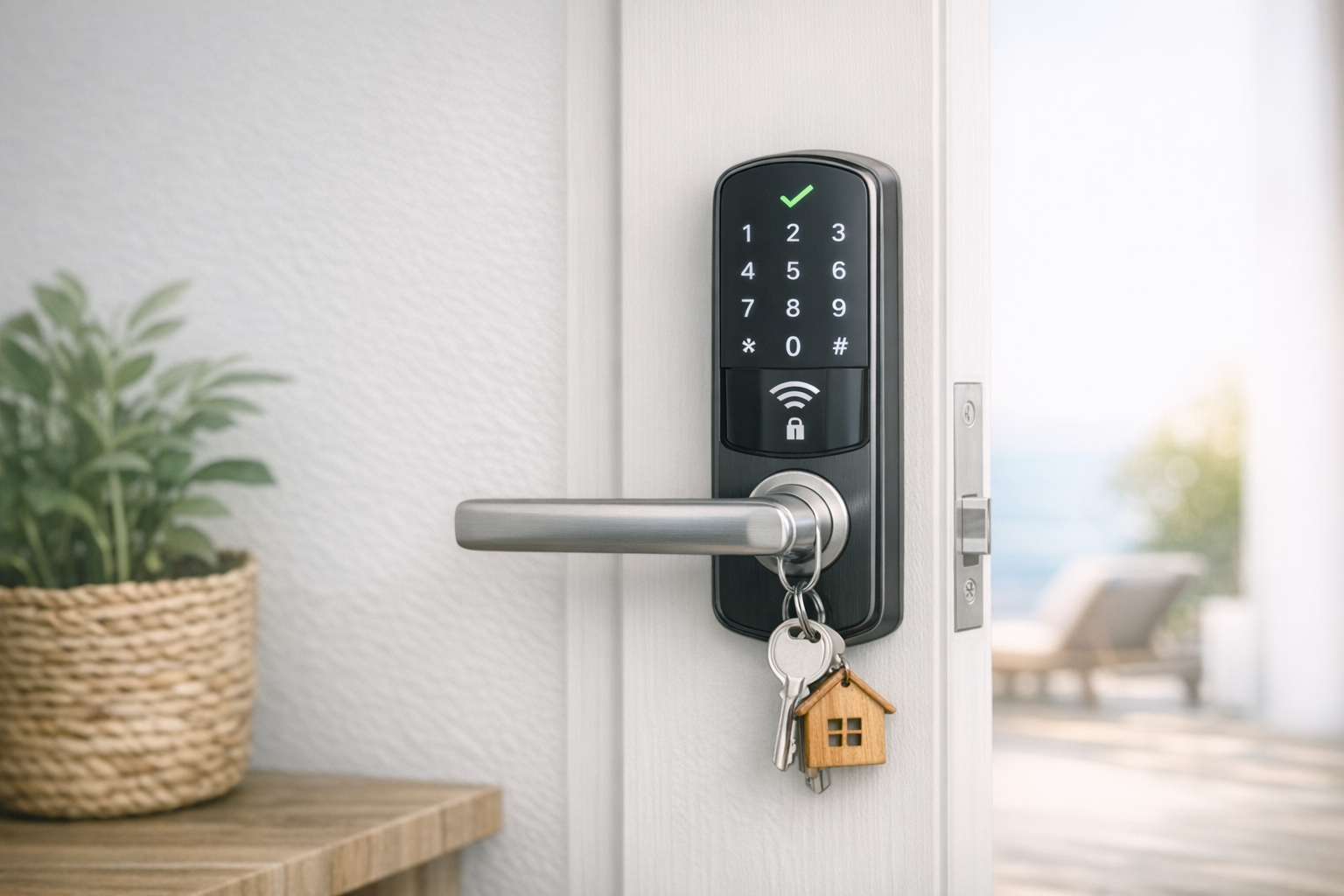
The Silent Revolution in Guest Welcomes: Self Check-In
In the dynamic and competitive tourist accommodation sector, guest experience is the cornerstone of success. In a world where immediacy and flexibility are increasingly valued, the way travellers access their accommodation has evolved drastically. Gone are the days of endless queues at receptions or the need to coordinate exact schedules with the host. Today, the unstoppable trend is self check-in, a method that not only redefines convenience for the guest, but also optimises management for holiday rental owners and managers.
This independent entry system is much more than a simple convenience; it is a smart strategy that responds to modern travellers' expectations, while freeing up valuable resources for hosts. Imagine being able to offer your guests the freedom to arrive at any time of the day or night, stress-free, without rushing, and with complete autonomy. This comprehensive guide will immerse you in the fascinating world of self check-in, exploring its benefits, key technological components, steps for successful implementation, and how Macufy can be your perfect ally on this journey towards modernisation.
If you own a holiday rental, manage multiple apartments, or even a small hotel, understanding and applying the self-guided arrival process is not just an advantage, it is a necessity. Get ready to discover how to transform your guests' experience and the efficiency of your business.
What Does Self Check-In Actually Involve in Tourist Accommodation?
The concept of self check-in refers to a guest's ability to access their tourist accommodation without the need for direct, face-to-face interaction with the host or reception staff. It is a process where the guest receives, in advance, all the information and tools necessary to enter the property on their own, at whatever time is most convenient for them.
This methodology is based on implementing systems and technologies that allow secure and controlled access. From receiving digital codes to using smart locks, the goal is to eliminate the physical and temporal barriers imposed by traditional check-in. The process typically involves the following key steps:
- Prior Communication: The host sends the guest detailed instructions, access codes, and any other relevant information before their arrival.
- Access to the Accommodation: The guest uses an automated entry system (smart lock, key box, keypad) to access the property.
- Identity Verification (Optional but Recommended): In many cases, a prior online identity verification step is included to comply with legal regulations and bolster security.
- Digital Welcome Guide: The guest can access a digital guide containing information about the accommodation, house rules, local recommendations, and emergency contacts.
Adopting this method is not a passing trend; it is a direct response to modern travellers' demands for flexibility and privacy, and an efficient solution for hosts looking to optimise their time and resources. It is the gateway to smarter, more scalable management of holiday rentals.
Undeniable Benefits of Self Check-In for Hosts and Guests
The implementation of an independent entry system generates a positive impact on both sides of the equation: the guest and the host. The benefits are wide-ranging, from enhancing the user experience to improving the operational and financial performance of the business.
For Guests: A Superior, Stress-Free Experience
Offering the option of a self-guided arrival is, in essence, giving your visitors freedom and comfort. This translates into a series of advantages that significantly enhance their stay:
- Absolute Schedule Flexibility: One of the biggest attractions. Flights get delayed, plans change, and traffic can be unpredictable. With self check-in, your guests do not have to worry about arriving at a specific time or late arrival surcharges. They can access the property at the time that suits them best, even in the middle of the night, without disrupting the host's sleep or feeling under time pressure. This freedom is a key differentiator that travellers value enormously.
- Unrivalled Comfort and Privacy: Avoid unnecessary waits and tedious paperwork. The guest goes straight to the property, uses their code or smart key, and enters. This provides a sense of privacy and autonomy from the very first minute, allowing them to settle in and start enjoying their holiday without interruptions. The absence of face-to-face contact, if they prefer, is also a plus for those seeking a more discreet experience.
- Reduced Pre-arrival Stress: Anxiety about arriving on time, meeting the host, or coordinating key handover is a common factor when travelling. Knowing they have full control over their arrival, guests experience significantly lower stress levels. They can focus on enjoying the journey rather than the logistics of entry, making for a much more relaxed start to their holiday.
- A Sense of Modernity and Trust: A well-implemented self check-in system projects an image of professionalism, modernity, and trust. Guests perceive that they are dealing with a host who invests in technology to improve their experience, creating a positive and lasting impression from their very first contact with the property.
- A Relaxed and Hassle-free Start to the Holiday: By eliminating initial friction, guests can start enjoying their stay immediately. There is no need to rush, and no need for lengthy explanations. They simply arrive, enter, and start exploring or resting, resulting in higher overall satisfaction and, often, better online ratings and reviews.
For Hosts: Optimisation, Efficiency, and Continuous Improvement
While the benefits for guests are obvious, for hosts, implementing a self check-in system is a strategic investment that yields significant dividends in terms of operational efficiency, cost savings, and business scalability.
- Precious Time Savings and Personal Flexibility: One of the greatest benefits. As a host, you will no longer have to coordinate your schedule with every arrival, nor make unnecessary trips to hand over or collect keys. This frees up a considerable amount of time that you can dedicate to other important tasks in your business, attending to other guests, improving your properties, or simply enjoying your personal life. Automating the arrival process allows for smoother management that is less dependent on your physical presence.
- Reduced Operating Costs: By minimising the need for a physical presence, you can reduce costs associated with reception staff or key management services. Although the initial investment in technology may seem significant, in the medium and long term, the savings in wages, transport, and management time are substantial. Furthermore, costs from lost or duplicated physical keys are minimised.
- Greater Flexibility in Managing Multiple Properties: If you manage several holiday rentals, self check-in becomes an indispensable tool. It allows you to monitor and manage arrivals for all your properties from a single point, remotely and efficiently. This facilitates the expansion of your business, as entry logistics do not become a bottleneck for adding new properties to your portfolio.
- Improved Online Reputation and Increased Bookings: Satisfied guests are the best advertisement. By offering a smooth, hassle-free arrival experience, they are more likely to leave positive reviews, improving your reputation on platforms like Airbnb, Booking.com, or Vrbo. A good check-in score can be a deciding factor for future guests choosing your accommodation over the competition.
- Professionalisation and Modernisation of the Brand: Adopting technologies such as self check-in projects the image of a modern, efficient, and cutting-edge business. This not only attracts a more demanding and tech-savvy type of guest, but also positions your brand as a benchmark in the tourist accommodation sector, differentiating you from more traditional options.
- Minimising Delay-related Incidents: Waiting and delays are a common source of conflict and frustration. By automating entry, you eliminate the possibility of a guest's delay affecting your schedule or creating a bad first impression. The arrival flow becomes more predictable and smooth, reducing the likelihood of unexpected logistical issues.
- Greater Security and Control: Modern smart access systems allow you to generate unique, temporary codes for each booking, which expire at the end of the stay. This offers a higher level of security than physical keys, which can be lost or copied. Furthermore, many systems log entries, providing a detailed history of who enters and leaves the property.
Key Components for Implementing a Successful Self-Entry System
For self check-in in holiday rentals to be truly effective and deliver the expected benefits, it is essential to have the right components. It is not just about the door, but a whole ecosystem that guarantees a smooth and secure experience.
Smart Access Systems: The Gateway to Independence
The heart of any independent entry system is the method that allows the guest to physically access the property. There are several options, each with its own features, advantages, and considerations:
- Smart Locks: These are the most advanced option and preferred by many. These locks connect to the internet (Wi-Fi or Bluetooth) and are controlled via a mobile app or management platform. They allow you to generate unique, temporary access codes for each guest, which activate and deactivate automatically according to the booking schedule. Some even allow access via fingerprint, RFID card, or facial recognition, although these are less common in holiday rentals. Their advantages include high security, full remote control, access logs, and a very modern experience for the guest. They require a stable internet connection and, sometimes, professional installation.
- Key Safes (Key Boxes): A more traditional yet still highly effective and economical solution. This is a robust metal box fixed to an exterior wall or in a discreet location, containing the physical keys to the accommodation. Guests receive a numerical code to open the box and access the keys. There are mechanical and electronic models (with codes that can be changed remotely). They are easy to install and do not require an internet connection. However, their security is slightly lower than smart locks (the code is fixed or changed manually) and there is always a risk that keys are lost or not returned to the box.
- Keypads: Similar to smart locks, but often simpler. They are installed on the door and allow access by entering a numerical code. Some models can integrate with management platforms to generate temporary codes automatically, while others require manual changes. They offer a good combination of security and ease of use, without the need for the guest to have an app installed on their phone. The main difference from a full smart lock is that the keypad is just an access component, whereas a smart lock typically includes more monitoring and control features.
- RFID/NFC Cards: More common in hotels or multi-unit buildings. They require a reader system on the door and the issuing of programmable cards for each guest. They offer a high level of security and control, but the logistics of delivering and retrieving cards can be a challenge in the context of an individual holiday rental, unless integrated with a self-service kiosk system.
Clear and Automated Communication: The Key to Success
An access system on its own does not guarantee a successful self check-in. Communication is essential to guide the guest and ensure the process is smooth and hassle-free. This is where automation plays a crucial role:
- Detailed and Multimedia Guides: Provide clear, concise, step-by-step instructions. Include photographs or even short videos showing how to get there, where the access system is located, and how to use it. A digital welcome guide with this information is an invaluable resource. Ensure it is available in multiple languages if you receive international guests.
- Automated Guest Messaging: Automating communication is vital. Use predefined templates to send key information at strategic times: booking confirmation, check-in policy reminder, access instructions 24-48 hours before arrival, and a welcome message on the day of entry. These messages can include links to your digital guide, access codes, and an emergency contact number. Platforms like Macufy allow you to schedule these messages to be sent automatically, ensuring the guest always has the right information at the right time.
- Clear Communication Channels: Offer multiple ways for guests to contact you in case of questions or issues. Email, WhatsApp, chat within the booking platform app, or an emergency phone number are essential. Ensure these channels are clearly visible in all communications.
Identity Verification and Security: Compliance and Peace of Mind
Security and compliance with legal regulations are critical aspects, especially in the context of holiday rentals. Self check-in must integrate with solutions that guarantee the host's peace of mind and the property's security.
- Online Identification Process: Many countries require guest details to be registered. Implementing an online identity verification system allows guests to scan their ID card or passport securely before arrival. These solutions not only comply with legislation (such as the obligation to send guest forms to the police) but also add an extra layer of security for the owner. Some platforms integrate this process so that it becomes a seamless part of digital check-in.
- Automated Police Registration: Related to the previous point, good property management software can automate the submission of guest details to the relevant authorities, a legal requirement in many locations. This saves time and avoids potential penalties for non-compliance.
- Security Deposit Management: If you apply a security deposit, the management platform can facilitate its automatic hold and release, linking it to the check-out process and the verification of potential incidents. This protects your property without adding friction to the arrival process.
- Privacy and Data Protection: When handling guests' personal data, it is crucial to comply with regulations such as the GDPR in Europe. Ensure that the tools you use guarantee information security and privacy, and that you inform your guests about how their data will be used.
Technology and Management Platforms: The Brains of the Operation
To integrate all these components and operate efficiently, a robust property management system (PMS) is indispensable.
- Property Management Software (PMS) like Macufy: A centralised platform is the key to automation. Macufy, for example, can integrate your smart locks, automate message delivery, manage identity verification, and synchronise your bookings. This means that when a new booking is made, the system can automatically generate a temporary access code, send it to the guest with instructions, and manage the police registration, all without manual intervention. It is the brain that coordinates all self check-in operations.
- Integration with OTAs and Channel Managers: Ensure your PMS integrates with the main booking platforms (Airbnb, Booking.com, Vrbo, etc.) and your channel manager. This ensures that booking information is automatically synchronised, triggering self check-in processes without delays or manual errors.
Step-by-Step Guide to Implementing Self Check-In in Your Accommodation
The transition to an independent entry system may seem complex, but if approached in a structured way, it is a simple and rewarding process. Here is a detailed guide to implementing self check-in in your holiday rentals:
1. Evaluation and Strategic Planning
Before investing in any technology, take some time to evaluate your needs and the features of your property. Consider:
- Property Type: Is it an individual apartment, a villa, or part of a multi-unit building? This will influence the choice of access system.
- Location: Is there good internet coverage if you opt for smart locks? Is it a safe area for an exterior key safe?
- Budget: Establish how much you are willing to invest in hardware and software.
- Guest Profile: Do you usually host young, tech-savvy travellers, or older people who might need more assistance?
- Local Regulations: Research the legal requirements for guest registration and security in your area.
Good planning is the foundation for a successful implementation of the contactless check-in process.
2. Choosing and Installing the Access System
Based on your planning, select the access system that best suits your needs:
- Smart Locks: Research brands, compatibility with your door, connectivity options (Wi-Fi, Bluetooth, Zigbee), and battery life. Consider whether you need a professional installer or if you can do it yourself.
- Key Safes: Choose a robust, weatherproof model. Decide on the most discreet and secure location to install it.
- Keypads: Ensure it is compatible with your door and easy to programme.
The installation must be secure and functional. If you are unsure, hire a professional.
3. Setting Up Pre-stay Communication
Communication is the cornerstone of self check-in. Prepare:
- Message Templates: Write clear and concise messages for each stage: booking confirmation, check-in reminder, access instructions, welcome.
- Digital Welcome Guide: Create a PDF document or a webpage with all relevant information: how to get there, how to use the access system (with photos/videos), Wi-Fi password, house rules, emergency contacts, local recommendations.
- Support Channels: Define how guests can contact you in case of issues (emergency phone, WhatsApp, email).
Remember, clarity and anticipation are key to avoiding confusion.
4. Automating the Process with a PMS (Macufy)
This is where technology shines. Integrate your access system and communications with a property management platform like Macufy. Macufy allows you to:
- Automatic Code Generation: Connect your smart locks so that unique, temporary codes are generated for each booking, activating at the start and expiring at the end of the stay.
- Automated check-in: Configure workflows so that, upon a new booking, messages with access instructions, the welcome guide, and codes are sent automatically. Macufy centralises this operation, ensuring each guest receives precise information at the right time, without you having to lift a finger. This is crucial for efficient access management.
- Booking Synchronisation: Ensure your PMS synchronises in real-time with all your booking platforms (Airbnb, Booking.com, etc.) so that the automation process is triggered immediately after each booking.
Automation is the key to freeing up your time and ensuring service consistency.
5. Implementing Digital Identity Verification
To comply with regulations and bolster security:
- Verification Platform: Use a solution that allows guests to scan their identity document securely before arrival.
- Integration with Police Registration: Ensure this platform integrates with your PMS for the automatic submission of data to the relevant authorities.
- Clear Instructions: Include instructions on how and when to complete this verification process in your automated messages.
This step adds a layer of professionalism and peace of mind for both you and your guests.
6. Thorough System Testing
Before launching self check-in to your guests, conduct thorough testing:
- Simulate a Booking: Make a test booking and follow the entire process as if you were a guest. Do you receive the messages on time? Are the instructions clear? Does the access system work correctly?
- Ask Someone to Test It: Ask a friend or family member to try the process from scratch. Their perspective might reveal areas of confusion you hadn't noticed.
- Verify Connectivity: If using smart locks, ensure the internet connection is stable at all times.
Testing will help you identify and correct any issues before they affect a real guest's experience.
7. Team Training and Preparation (if applicable)
Even though check-in is automated, your team (cleaning, maintenance, support) must be aware of the new system. Ensure they:
- Understand how the access system works.
- Know how to generate emergency codes or troubleshoot basic issues.
- Are familiar with the support communication channels for guests.
A well-informed team can resolve issues quickly and keep operations running smoothly.
8. Feedback Collection and Continuous Improvement
Once implemented, do not stop there. Ask your guests for their feedback on the independent arrival process. Use post-stay surveys or review comments on review platforms. This feedback is invaluable for identifying areas for improvement and continuously optimising your system.
Advanced Tips and Best Practices for a Flawless Independent Entry
Once you have the basics of self check-in in place, you can go a step further to perfect the experience and ensure your holiday rentals stand out.
Personalising the Experience, Even Without Contact
Even if there is no physical interaction, you can add personal touches. A personalised welcome message, a small note at the property, a local treat, or a bottle of wine can make all the difference. Use booking details (reason for travel, nationality) to tailor some aspects and make the guest feel special from the moment they access the property. The key is for the guest to feel that, although the process is automated, there is an attentive host behind it.
Effective and Proactive Remote Support
Even with the best instructions, questions or issues can arise. Ensure you have a clear and efficient remote support system. This can include a 24/7 emergency phone number, live chat, or an email address with fast response times. It is essential to be proactive: send a message on the day of arrival asking if everything went well or if they need anything, before they have to contact you.
Detailed and Curated Local Information
Beyond access instructions, a comprehensive digital guide with local recommendations is a huge added value. Include:
- Recommended restaurants and caf??s (with options for different diets).
- Nearby supermarkets and shops.
- Tourist attractions and activities.
- Public transport options and how to get around the area.
- Pharmacies and emergency services.
This shows that you care about the guest's complete experience and helps them feel more comfortable and oriented in a new place.
Preventive Maintenance of Access Systems
To avoid technical failures, perform regular maintenance on your access systems. Check smart lock batteries periodically (some apps alert you when they are low), ensure the Wi-Fi connection is stable, and check that key safes are in good condition. A system failure can ruin the guest's experience and create a last-minute crisis.
Constant Updating of Instructions and Codes
Ensure your instructions are always up to date. If you change the Wi-Fi password, add a new appliance, or modify a rule, update your digital guide immediately. For code-based systems, it is vital that each guest receives a unique, temporary code. Never reuse codes that could compromise the security of the property.
Emergency Management and Safety Protocols
Have a contingency plan for emergencies. What happens if the smart lock runs out of battery or the internet connection fails? Always have an alternative solution (for example, a spare key in a secure place that only you can access, or a local emergency contact who can help). Ensure guests have access to emergency contact information (police, fire brigade, medical services) and your contact number for any issues that may arise.
Common Challenges of Self Check-In and How to Overcome Them
Although self check-in offers numerous advantages, it can also present challenges. Anticipating them and having solutions ready is key to ensuring a seamless experience for both host and guest.
Technological Resistance or Guest Confusion
Not all guests are familiar with technology or feel comfortable with an entry process that has no human interaction. Some may feel overwhelmed by instructions or struggle to operate a smart access system.
- Solution: Provide extremely clear, concise, and visual instructions (photos, videos). Offer an easily accessible support channel for any queries. Consider having an in-person assistance option (for an additional cost or at specific times) for guests who specifically request it. The key is patience and clarity in communication.
Technical Failures or Connectivity Issues
Smart locks can run out of battery, Wi-Fi connections can fail, or codes may not generate correctly. These issues can lock a guest out of the property, creating a highly stressful situation.
- Solution: Perform regular preventive maintenance on your systems (check batteries, ensure connectivity). Always have a contingency plan: a spare key in a mechanical key safe (with a different code) or a trusted neighbour with a key. Ensure your PMS alerts you to potential system failures or low batteries. Quick and efficient technical support is vital in these situations.
Security Issues and Unauthorised Access
Security concerns are legitimate. What if a code is leaked or someone attempts unauthorised access?
- Solution: Use high-quality smart locks that generate unique, temporary codes for each booking. Ensure codes expire automatically at the end of the stay. Implement a robust identity verification system to know who is accessing your property. Consider outdoor security cameras (never indoor) to monitor access to the property if local regulations allow and guests are clearly informed.
Lack of Human Interaction and Perception of Impersonality
Some guests value personal interaction with the host, feeling that self check-in is too impersonal and cold.
- Solution: Compensate for the lack of face-to-face interaction with proactive and personalised communication through messages. Send a warm welcome message, ask how everything is going during the stay, and offer tailored recommendations. Small details like a handwritten welcome note or a local gift can add a human touch. Show that, even though the process is automated, you care about their well-being.
Non-compliance with Legal Regulations (Guest Registration)
In many places, it is mandatory to register guests' identities and send this information to police authorities.
- Solution: Integrate a digital identity verification system that complies with local legislation. Ensure your PMS (like Macufy) can automatically generate and submit police guest forms. Stay well-informed about the specific regulations in your region to avoid penalties.
Macufy: Your Strategic Ally for Seamless Self Check-In
Implementing a self check-in system can seem like a daunting task if you tackle all the components in isolation. This is where Macufy, as an all-in-one tourist accommodation management platform, becomes your indispensable strategic partner. Macufy is designed to simplify and automate every aspect of access management and guest experience, allowing you to focus on what really matters: delivering exceptional service and growing your business.
How does Macufy facilitate this transition and optimise the process?
- Integration with Smart Access Systems: Macufy connects with the leading smart lock brands on the market. This means you can manage all your access codes from a single interface, automatically generating unique, temporary credentials for each booking. Forget manual code management and security worries.
- Complete Automated Check-in: Macufy's automated check-in functionality is the heart of efficiency. Once a booking is confirmed, the system can automatically launch the entire workflow: from sending welcome messages and access instructions, to generating the smart lock code and requesting identity verification. Everything happens without manual intervention, guaranteeing a smooth and consistent experience for every guest.
- Smart Automated Guest Messaging: With Macufy, you can set up customisable message templates that are sent automatically at key moments of the guest's stay (confirmation, pre-arrival, arrival day, post-check-in). These messages can include access codes, links to your digital guide, important reminders, and any other relevant information, ensuring the guest is always well-informed and looked after, even without direct contact.
- Simplified Identity Verification and Legal Compliance: Macufy integrates solutions for online identity verification, facilitating the guest registration process and the automatic submission of police forms to the relevant authorities. This saves you time, avoids manual errors, and ensures your business complies with all current legal regulations.
- Centralised Management and Overview: From the Macufy dashboard, you can have a complete view of all your bookings, check-in statuses, active access codes, and communication with guests. This gives you total control over your operations, allowing you to manage multiple holiday rentals with unprecedented efficiency.
By choosing Macufy, you are not just adopting a tool; you are investing in an all-in-one solution that transforms how you manage your accommodation. Free up your time, improve the guest experience, and grow your business with the confidence of having a robust and automated contactless arrival system.
The Future of Welcoming in Tourist Accommodation: Beyond the Present
The self check-in is no longer a novelty, but a standard in the holiday rental industry. However, evolution does not stop here. The future of hosting promises to be even smarter, more personalised, and frictionless. We can expect to see advancements in:
- Artificial Intelligence and Virtual Assistants: More sophisticated chatbots that can resolve queries in real-time and guide guests through any process, even before their arrival.
- Total Smart Home Integration: Beyond the lock, guests could control temperature, lighting, or even music through an app or voice assistant, further personalising their stay.
- Advanced Biometrics: Although still in the early stages for holiday rentals, facial or fingerprint verification could simplify access even further, always with strict privacy protocols.
- Hyper-Personalised Experiences: Data collection (respecting privacy) will allow hosts to anticipate guests' needs and offer even more tailored services and recommendations.
The key for holiday rental owners is to keep up with these trends and adopt technologies that truly add value to the guest experience and management efficiency. Self check-in is just the beginning of a new era in hospitality.
Conclusion: The Self Check-In Revolution Is Already Here
The self check-in has moved from being a niche option to a fundamental expectation in the holiday rental sector. It is a winning strategy that offers unprecedented flexibility to guests and unmatched operational efficiency to hosts. From the comfort of a stress-free arrival to significant time and cost savings, the benefits are clear and tangible.
Adopting an independent entry system not only modernises your business but also positions you at the forefront of the industry, improving customer satisfaction and ultimately boosting your bookings and online reputation. With the right guidance and support from platforms like Macufy, implementation is easier than you think.
It is time to embrace this revolution in hosting. Invest in technology, optimise your processes, and offer your guests the experience of freedom and comfort they are looking for. Discover how self check-in can transform your business and take your tourist accommodation to the next level of excellence. The era of contactless arrival is here to stay, and those who adopt it will be the leaders of tomorrow.