
How to Create a Premium Guest Experience in Your Holiday Rental
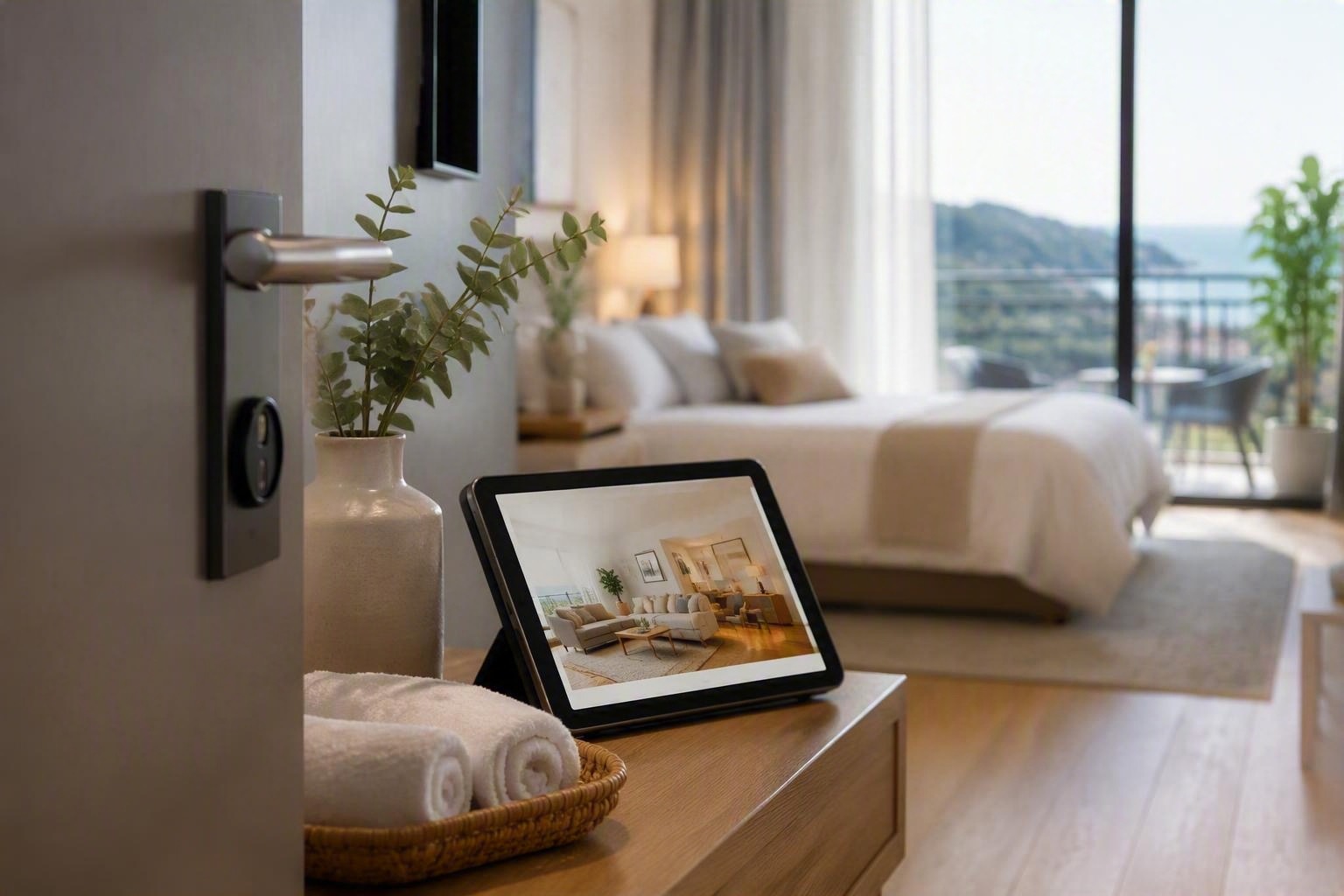
The new standard of holiday rentals: What defines a five-star experience?
The tourist accommodation market has undergone an unprecedented transformation over the last decade. What was once considered an alternative, budget-friendly service for low-budget travellers now competes directly with high-end boutique hotels. In this highly competitive environment, simply offering a clean place to sleep is no longer enough to stand out. Today, guests are looking for an experience, a home away from home, and a level of service that matches or exceeds their daily lifestyle.
Nowadays, a premium guest experience is not solely defined by material luxury, expensive furniture, or prime property locations. The true added value lies in the peace of mind, seamlessness, and personalisation of the service. Travellers seek frictionless stays where every single interaction —from the initial booking inquiry to the final check-out— is intuitive, fast, and tailored to their individual needs. They want to feel cared for, valued, and respected as unique guests, not just as transaction numbers on a booking platform.
For property owners and vacation rental managers, this paradigm shift represents both a significant operational challenge and a golden financial opportunity. Those who manage to master the art of modern hospitality will not only secure better reviews and higher rankings on search engines but will also be able to justify considerably higher nightly rates, directly increasing the overall profitability and sustainability of their holiday rental businesses. To achieve this, one must understand the anatomy of a five-star stay from the ground up.
In this comprehensive guide, we will dissect the core strategies, systems, and tools required to elevate your holiday rental into a premium, five-star hospitality business that generates rave reviews, drives repeat bookings, and maximizes your revenue.
The pillars of high-end hospitality in the digital age
To build an exceptional service, it is essential to understand that the guest experience is not a single event; it is a continuous journey made up of multiple touchpoints. Each of these moments is a critical opportunity to exceed user expectations or, conversely, to cause friction and frustration. Below, we analyse the three fundamental pillars on which premium accommodation management is built.
1. Personalisation without losing efficiency
Personalisation is the secret sauce of hospitality. It is the art of making a guest feel uniquely valued. However, when managing multiple properties or dealing with back-to-back bookings, personalising every single interaction manually becomes unsustainable and prone to human error.
The secret of successful modern managers lies in using technology to collect guest preference data early in the booking cycle and applying dynamic templates that maintain a human, warm, and highly specific tone for each situation. This means knowing if your guests are travelling for business, celebrating an anniversary, or arriving with toddlers, and adjusting your setup and communication accordingly without spending hours drafting individual emails.
2. Immediacy and 24/7 availability
We live in the era of instant gratification and hyper-connectivity. If a traveller has a query about how to operate the heating, where to find extra towels, or how to access the property at eleven o'clock at night, they cannot wait until the next business morning for a reply.
Immediacy in communication does not just resolve urgent operational issues; it drastically reduces traveller anxiety, conveying a deep sense of security, professionalism, and support. When a host responds within minutes, the guest feels safe, which is one of the most powerful psychological drivers of a five-star review.
3. Obsessive quality control for every stay
Consistency is arguably the hardest factor to maintain in the hospitality sector. A property can receive ten perfect five-star reviews in a row, but it only takes a single cleaning oversight, a broken coffee machine, or a faulty Wi-Fi connection to ruin the eleventh guest's experience and net you a damaging two-star review.
Premium standards require constant audits, standardised workflows, and an exhaustive, systematic supervision of every detail before the arrival of a new visitor. Excellence is not an accident; it is the result of reliable, repeatable processes.
Intelligent automation: The invisible engine of comfort
Many traditional owners fear that automation will detract warmth from their service, making it feel cold and robotic. However, the reality is quite the opposite: when repetitive, administrative, and logistical processes are intelligently automated, managers free up valuable time that they can dedicate to offering truly qualitative, creative, and human attention.
Automation handles the routine tasks so you can focus on the human connections that make a stay truly memorable.
The first contact: Automating booking confirmation
The guest's journey begins the very moment the booking is confirmed, not when they arrive at the property. Sending an immediate welcome message not only validates the transaction but also sets the professional tone for the entire stay.
This first message should be clear, welcoming, and enthusiastic. It must provide the essential first steps, such as date confirmation, booking details, and a brief glimpse of what they can expect upon arrival, instantly relieving any post-booking anxiety.
The importance of automated communication
The key to not overwhelming the guest while keeping them perfectly informed lies in pacing the information. Sending a massive wall of text with house rules, directions, and codes all at once is a recipe for disaster—guests will simply miss crucial details.
To achieve this efficiently, the implementation of automated messages to guests is crucial. This allows you to structure a perfectly timed sequence of emails or chat messages delivered at the exact moment they are needed:
- Confirmation message (Immediate): Sent right after booking. It includes a warm thank you, confirmation of dates, and a link to the guest registration form to collect ID or passport details in compliance with local regulations.
- Arrival guide (3 to 5 days before check-in): This contains detailed access instructions, a Google Maps location link, parking tips, and their unique smart lock code. Sending this a few days early allows guests to plan their travel day stress-free.
- Satisfaction check (24 hours after arrival): A brief, friendly message to confirm everything is to their liking, the property is clean, and to offer assistance if they need anything. This is your safety net to catch and resolve any issues before they turn into bad reviews.
- Check-out instructions (The day before check-out): A polite reminder of the departure time limit, what to do with the keys, where to dispose of the rubbish, and a thank you for choosing your property.
- Review request (24 hours after departure): A direct link to the review platforms (Airbnb, Booking.com, Google) with a friendly, highly personalised message thanking them for being excellent guests.
Self-check-in: Total flexibility from minute one
Traditional check-in, which requires coordinating an exact physical meeting time to hand over keys, is one of the greatest sources of stress for both travellers and hosts. Flight delays, unexpected traffic, or simply the desire not to travel under the pressure of a ticking clock make self-check-in one of the most highly demanded features by modern travellers.
Installing smart locks connected to your property management system (PMS) allows you to generate unique, temporary access codes for each guest, valid only during the dates and times of their stay. This system provides several key benefits:
- Unmatched flexibility: Guests can arrive at 3:00 PM or 3:00 AM without feeling guilty or rushed, and without you having to wait at the property.
- Enhanced security: No physical keys that can be lost, stolen, or copied. Codes automatically expire upon check-out.
- Operational efficiency: Eliminates the time and cost associated with physical key handovers, allowing you to scale your business easily.
Personalisation at scale: How to make every traveller feel unique
Once the operational and logistical details are resolved thanks to automation, it is time to focus on personalisation. To offer a first-class service, we must anticipate the needs of our visitors based on their demographic profile and the specific reason for their trip.
Guest segmentation
Not all travellers are looking for the same experience. A professional property manager must adapt communication, amenities, and property details based on who is occupying the space:
- Families with children: They appreciate practical amenities. Providing cots, high chairs, children's tableware, socket protectors, and board games can make a massive difference. Sending a curated list of family-friendly restaurants, parks, and rainy-day activities beforehand demonstrates exceptional empathy and care.
- Digital nomads and business travellers: Their priorities are functional. They require high-speed, reliable Wi-Fi (whose actual upload/download speed should be communicated in your listing), an ergonomic workspace, easily accessible power sockets, adapters, and a high-quality coffee maker.
- Couples on a romantic getaway: They appreciate sensory details. Welcome amenities such as a bottle of local wine, ready-prepared glasses, high-quality chocolates, recommendations for intimate dining, and carefully set ambient lighting upon arrival will make their stay unforgettable.
- Pet owners: If your property is pet-friendly, providing a dog bed, food and water bowls, waste bags, and a guide to pet-friendly parks and beaches nearby will instantly win the hearts of pet parents.
Interactive and local welcome guides
The classic, crumpled paper folder with outdated tourist pamphlets and hand-written Wi-Fi passwords is a thing of the past. Premium accommodations now offer interactive digital welcome guides that guests can consult directly from their mobile phones at any time, even before they arrive.
These guides should not be limited to dry house rules. They should include hyper-local recommendations personally selected by you: the best specialty coffee shop in the neighbourhood, that hidden family-run bistro that doesn't appear in traditional tourist guides, or the least crowded scenic hiking trail. Sharing this "local knowledge" brings invaluable value, builds trust, and significantly enriches the travel experience, making guests feel like locals rather than tourists.
Flawless operational management: Behind the scenes of a first-class service
The magic of a perfect stay happens behind the scenes. No matter how friendly your communication is or how beautiful your decor looks in photos, if the physical aspect of the accommodation fails, the customer's perception will plummet immediately. Maintaining absolute consistency requires rigorous operational processes, clear standards, and quality control tools.
Cleanliness as a non-negotiable rating factor
Cleanliness is, statistically, the single factor that most heavily influences reviews on booking portals such as Airbnb, VRBO, or Booking.com. A single hair in the bathroom, dust on a nightstand, or a subtle stain on the bedsheets can completely ruin an experience that would otherwise have been excellent. Therefore, cleaning teams must work under professional, military-grade hospitality standards.
To ensure that no detail is missed during tight turnaround windows, it is highly recommended to use interactive control forms. These checklists ensure that cleaning staff systematically review every corner of the property before giving the green light for the next guest's arrival.
A professional cleaning and inspection checklist should cover several critical zones:
| Area | Tasks and Quality Checks | Standard of Excellence |
|---|---|---|
| Living Room | Dust all surfaces, clean under sofa cushions, sanitize remote controls, check TV connection. | Zero dust, cables hidden, remotes placed neatly next to the TV. |
| Kitchen | Clean inside microwave and oven, empty and sanitize fridge, check dishwasher for clean dishes, wash sponge. | No food odors, sparkling appliances, fresh sponge and dishcloth provided for every guest. |
| Bedrooms | Inspect sheets for stains/hairs, check under the bed, dust headboard, ensure hangers are uniform. | Crisp, professionally laundered linens, empty closets with matching wooden hangers. |
| Bathrooms | Sanitize toilet, clean shower glass (no water spots), polish chrome fixtures, check hair dryer functionality. | Hotel-grade sanitization strip on toilet, spotless glass, folded towels, high-quality toiletries. |
Preventative vs. corrective maintenance
Waiting for a tap to drip, an appliance to break, or the air conditioning to stop working before taking action is a sure-fire recipe for disaster and negative reviews. Premium management is based on preventative maintenance. This involves scheduling periodic, proactive checks of the property's key installations to catch issues before they affect a guest:
- HVAC Systems: Checking and cleaning air conditioning filters and heating systems quarterly to ensure optimal air quality and temperature control.
- Lighting: Checking the condition of all light bulbs and replacing them with warm, energy-efficient LED lights to maintain a cozy atmosphere.
- Plumbing: Verifying water pressure, hot water consistency, and the correct drainage of showers, toilets, and sinks during every turn clean.
- Inventory audits: Inspecting the condition of tableware, cutlery, and glassware, immediately replacing any chipped, scratched, or mismatched pieces.
- Hardware: Checking the condition of locks, lubricating door hinges to avoid annoying squeaks, and tightening loose cabinet handles.
Communication strategies to build loyalty and secure 5-star reviews
Communication does not end when the guest checks out and leaves the property. In fact, the post-stay period is crucial for consolidating the relationship, securing an excellent review, and opening the door to future direct bookings, thereby avoiding the high commissions of online travel agencies (OTAs).
How to request reviews effectively
Many guests intend to leave a good review but simply forget due to their busy daily routines after returning home from a trip. To encourage participation, the review request message should be sent at the right time (usually within 24 hours of check-out) and structured in a way that makes it extremely easy to complete.
Instead of sending a generic, automated-sounding message, opt for honesty, warmth, and friendliness:
"Hi [Guest Name], it has been an absolute pleasure hosting you at our property. We hope you had a safe trip home! As a small, dedicated business, your feedback helps us enormously to keep improving our service. Could you spare a minute to share your experience? It would help us ever so much. Here is a direct link to make it quick: [Link]. Thank you again!"
Providing a direct link to the review section of the platform used reduces friction, eliminates steps, and drastically increases your overall response rate.
Managing incidents with empathy and speed
Even in the best-managed accommodation in the world, things can go wrong: an unexpected power cut, a sudden water leak, or an internet connection that fails due to service provider issues. What differentiates a premium host from a mediocre one is not the absolute absence of problems, but the way they handle and resolve them.
When faced with a guest complaint, the golden rule is to apply the active resolution method:
- Active listening and empathy: Validate the guest's discomfort immediately. A simple "I am very sorry you are going through this situation, I completely understand how frustrating this must be for you" disarms any defensive attitude and shows you care.
- Speedy response: Reply within minutes, letting them know you are already working on the solution. Even if you don't have the final answer yet, keeping them informed prevents them from feeling ignored.
- Proactive compensation: If the problem cannot be resolved immediately (for example, a technician who will take a few hours to arrive), offer compensation before the guest asks for it. A bottle of wine, a partial refund on their night's stay, or a paid dinner at a nearby restaurant can turn a bad situation into an unforgettable demonstration of excellent customer service, often saving your five-star review.
Indispensable technological tools for your accommodation
To successfully implement all these strategies without burning out or working 80 hours a week, a solid technological ecosystem is essential. These are the essential tools that every high-level tourist accommodation manager should incorporate into their daily routine:
| Tool Type | Main Function | Benefit for the Guest Experience |
|---|---|---|
| PMS (Property Management System) | Centralises bookings, calendars, guest details, and tasks on a single platform. | Avoids double bookings, ensures flawless date management, and streamlines communication. |
| Smart Locks | Allows keyless access via numerical codes, RFID cards, or mobile applications. | Enables self-check-in and flexible, stress-free arrival 24 hours a day. |
| Noise and Comfort Sensors | Monitor decibel levels and accommodation temperature in real time without violating privacy. | Guarantees guests' rest, protects your property, and avoids problems with neighbours. |
| Message Automation Software | Sends highly personalised templates based on time triggers and guest events. | Delivers precise, useful information at the exact moment of the stay. |
| Dynamic Pricing Tools | Adjusts nightly rates automatically based on demand, local events, and seasonality. | Ensures fair, competitive market pricing while maximizing your occupancy and revenue. |
The path to direct bookings: Building guest loyalty
While platforms like Airbnb and Booking.com are fantastic for getting initial visibility and launching your business, relying solely on them limits your profitability due to high commission fees (often ranging from 15% to 20%). The ultimate goal of a five-star holiday rental business is to turn first-time guests into loyal, repeat customers who book directly through your website.
How do you achieve this transition? By offering an experience so flawless that guests wouldn't dream of booking anywhere else, and by keeping in touch after their departure. Here are three effective strategies to drive direct bookings:
- Direct Booking Incentives: During check-out, provide your guests with a physical or digital card offering a discount (e.g., 10% off) on their next stay if they book directly through your website. Highlight that they will save on platform service fees.
- Email Marketing: Collect guest emails legally (with their consent during the registration process) and send valuable, non-spammy content. Share local travel guides, updates about your property, and exclusive seasonal promotions.
- Loyalty Programs: Create a simple program for repeat guests, such as free late check-outs, complimentary welcome baskets, or priority booking windows during peak seasons.
Conclusion: The return on investment of the premium experience
Investing in the constant improvement of the guest experience is not a superfluous expense or a luxury; it is one of the most profitable financial strategies in the medium and long term for any holiday rental owner or property manager. The benefits of transitioning from a basic, reactive management model to a premium, proactive one are clear, measurable, and highly rewarding.
Firstly, a satisfied guest is a guest who generates excellent five-star reviews organically. These positive reviews act as the most powerful search engine optimization (SEO) tool within the ranking algorithms of booking platforms, positioning your listings in the top search results, driving more traffic, and naturally increasing your overall occupancy rate.
Secondly, excellence in service fosters deep loyalty. A significant percentage of travellers prefer to return to an accommodation where they know for sure that everything will work perfectly, rather than taking a risk with an unknown option. By building trust and loyalty with these guests, you can channel their future bookings directly through your own website, saving thousands of pounds or euros a year in intermediary commissions.
Ultimately, the combination of automated yet deeply personalised communication, rigorous operational control, preventative maintenance, and the use of advanced technological tools will allow you to scale your holiday rental business efficiently. You will be able to offer a professional, hotel-quality service with the unique warmth, space, and authenticity that only a true home can provide. Elevate your standards today, and watch your vacation rental business thrive.