
How to Break Free from OTAs and Skyrocket Your Direct Bookings
La Estrategia Definitiva para Aumentar tus Reservas Directas y Maximizar tus Beneficios en Alquileres Vacacionales y Hoteles
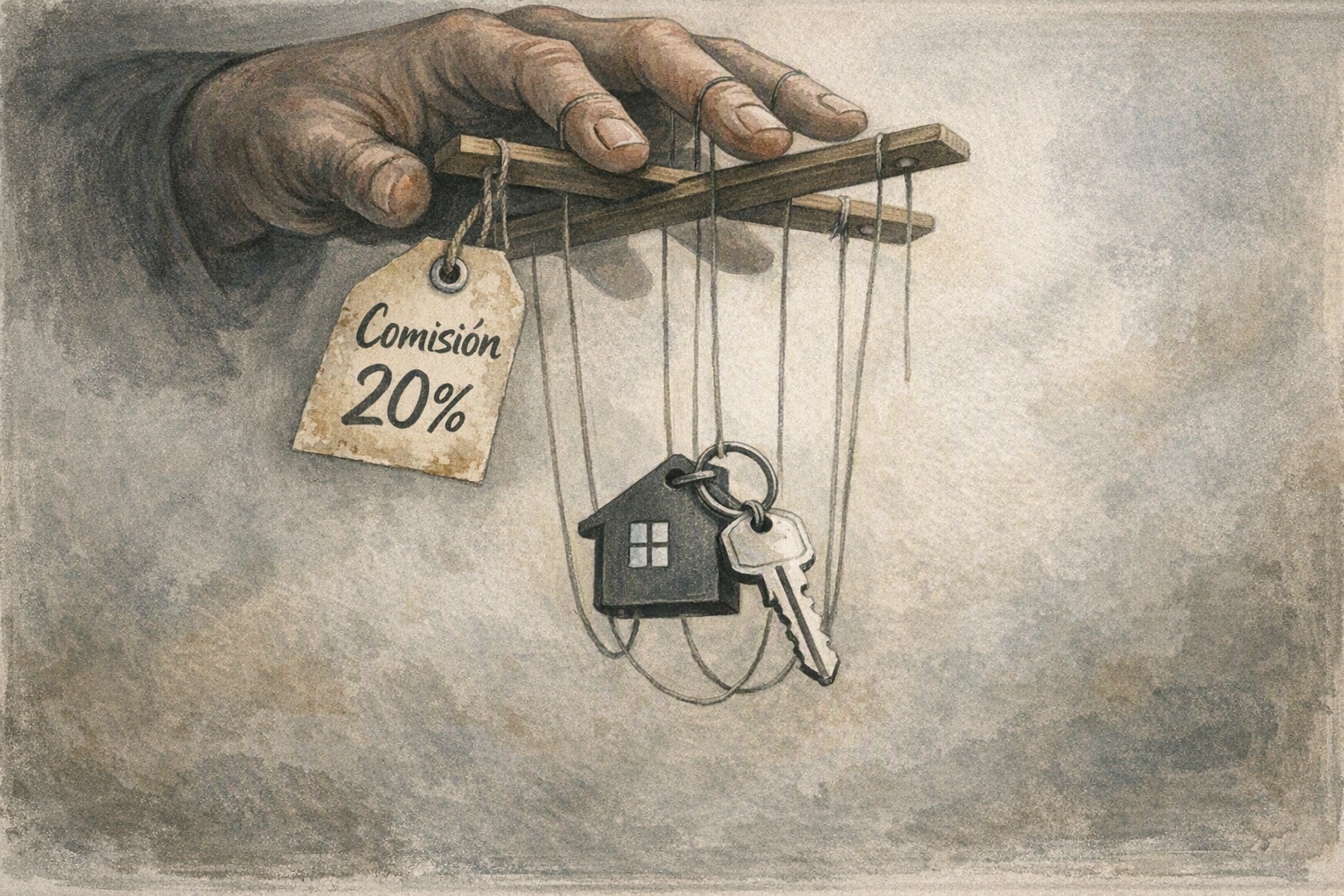
El sector del alquiler vacacional y la hotelería ha experimentado una transformación digital sin precedentes en la última década. Plataformas como Booking.com, Airbnb, Expedia y Vrbo han facilitado que millones de propietarios y gestores muestren sus propiedades a una audiencia global. Sin embargo, este alcance masivo tiene un precio muy elevado: comisiones que oscilan entre el 15% y el 25% por cada reserva.
Para muchos propietarios y administradores de alojamientos turísticos, esta dependencia de las agencias de viajes online (OTAs) se ha convertido en una trampa financiera. Trabajar exclusivamente para alimentar los ingresos de estas multinacionales reduce drásticamente los márgenes de beneficio neto y limita el crecimiento de tu propio negocio. ¿La buena noticia? Existe una alternativa altamente rentable y sostenible: desarrollar una sólida estrategia de reservas directas a través de tu propio sitio web.
En este artículo técnico y estratégico, analizaremos en profundidad el impacto económico de la excesiva dependencia de las OTAs, cómo diseñar tu propio ecosistema de reservas, las mejores tácticas de marketing digital para atraer huéspedes directamente a tu portal web, y cómo ofrecer incentivos exclusivos que aporten un valor real. Nuestro objetivo es proporcionarte una guía completa para que puedas recuperar el control de tus reservas, fortalecer tu marca y, en última instancia, aumentar significativamente la rentabilidad de tu negocio de alquiler vacacional o hotelero.
El Verdadero Costo de Depender de las OTAs (Airbnb, Booking, Expedia): Más Allá de las Comisiones Visibles
Para comprender la imperiosa necesidad de un cambio estratégico, debemos desglosar primero el impacto financiero real que las OTAs tienen en las cuentas de tu alojamiento turístico. Aunque es innegable que estas plataformas proporcionan una visibilidad inicial invaluable, su modelo de negocio está diseñado para maximizar su propia rentabilidad a expensas del esfuerzo y la propiedad del anfitrión. La búsqueda de reservas directas no es solo una opción, sino una necesidad estratégica para la supervivencia y el crecimiento a largo plazo.
Las Comisiones Invisibles que Devoran tus Ingresos
Cuando un huésped reserva tu propiedad a través de una OTA, el precio final se ve afectado por múltiples capas de tarifas y comisiones. Booking.com, por ejemplo, suele cobrar al propietario una comisión estándar que oscila entre el 15% y el 20%, la cual puede incrementarse si decides participar en sus programas de visibilidad preferente (como los programas Genius o Preferred Partner). Por su parte, Airbnb divide su tarifa entre el anfitrión (alrededor del 3% al 5%) y el huésped (que puede alcanzar hasta el 14% o 16%), encareciendo el precio final para el cliente y, en ocasiones, reduciendo tu competitividad si el huésped compara precios.
Hagamos un cálculo sencillo para ilustrar el impacto anual de estas comisiones en una única propiedad:
- Ingresos brutos anuales estimados por alojamiento: 40.000 €
- Comisión media de OTA (asumamos un 18%): 7.200 €
- Ingresos netos reales después de comisiones: 32.800 €
Esos 7.200 € anuales transferidos directamente a plataformas intermediarias representan un capital que podrías reinvertir en la mejora de tus instalaciones, en campañas de marketing digital localizadas, o directamente en tu margen de beneficio neto. Multiplica esta cifra por cinco, diez o veinte propiedades, y la pérdida de capital se vuelve alarmante, afectando gravemente tu capacidad para crecer y ofrecer un servicio excepcional. La implementación de una estrategia de reservas directas te permite retener este capital crucial.
La Pérdida de Control sobre la Experiencia del Cliente y los Datos
El activo más valioso de cualquier negocio no es el producto, sino el cliente. Al depender de las OTAs, no eres el dueño de los datos de tus huéspedes. Plataformas como Booking o Airbnb encriptan las direcciones de correo electrónico reales de los usuarios y restringen la comunicación directa fuera de sus aplicaciones. Esto te impide construir una relación duradera y personalizada con tus clientes, un pilar fundamental para el éxito en el sector de la hospitalidad.
Esta restricción te imposibilita realizar acciones básicas de marketing de fidelización, tales como:
- Enviar campañas de email marketing personalizadas para incentivar reservas en temporadas bajas.
- Felicitar a los huéspedes en su cumpleaños con un descuento exclusivo para una futura estancia, fomentando la fidelización.
- Conocer de primera mano sus preferencias antes de su llegada para personalizar su estancia y ofrecer un servicio excepcional.
- Recopilar feedback directo y constructivo que no esté mediado por la plataforma.
En esencia, estás construyendo el negocio de otra empresa con tu propio esfuerzo operativo, perdiendo la oportunidad de crear una base de clientes leales que generen reservas directas recurrentes.
El Riesgo de la Dependencia de un Único Canal y la Volatilidad del Mercado
Confiar el 100% de tus ingresos a algoritmos de terceros es una estrategia empresarial de alto riesgo. Un cambio imprevisto en las políticas de clasificación de Airbnb, una penalización injusta debido a una reseña maliciosa, o una actualización en la interfaz de búsqueda de Booking puede hacer que tu tasa de ocupación se desplome de la noche a la mañana. Sin tu propio canal de distribución, careces de una red de seguridad que proteja tu estabilidad financiera y la continuidad de tu negocio. La captación de reservas directas mitiga este riesgo, diversificando tus fuentes de ingresos y proporcionando mayor estabilidad.
La Solución Definitiva: Construye tu Propio Ecosistema de Reservas Directas con un Sitio Web y un Motor de Reservas
La alternativa más sólida y duradera para contrarrestar el oligopolio de las agencias online es la creación de un canal de venta directa robusto. Esto no significa que debas desconectarte por completo de las OTAs de inmediato, sino que debes utilizarlas de manera estratégica mientras impulsas tu propia plataforma y diriges el tráfico hacia tus reservas directas.
¿Qué es un Motor de Reservas Directas y Por Qué lo Necesitas Urgentemente?
Un motor de reservas directas es un software integrado en tu sitio web que permite a los usuarios consultar la disponibilidad de tu alojamiento en tiempo real, seleccionar las fechas de su estancia, calcular el precio final y realizar el pago de forma segura sin salir de tu entorno digital. No es simplemente un formulario de contacto, sino una herramienta transaccional automatizada que actúa como tu propia recepción virtual, disponible 24/7.
Para que este motor sea efectivo y convierta visitantes en huéspedes, debe cumplir con ciertos requisitos técnicos indispensables:
- Diseño Responsivo (Mobile-friendly): Más del 65% de las reservas turísticas actuales se realizan desde teléfonos móviles. Tu sitio web y motor de reservas deben adaptarse perfectamente a cualquier pantalla, ofreciendo una experiencia de usuario fluida y sin fricciones.
- Pasarela de Pago Segura: Integración con sistemas de pago fiables y reconocidos internacionalmente como Stripe, PayPal o Redsys, que cumplan con los estándares de seguridad PCI-DSS. La confianza en la seguridad de los datos de pago es crucial para la conversión de reservas directas.
- Facilidad de Uso (UX optimizada): Un proceso de reserva simplificado en no más de tres pasos para evitar el abandono del carrito. Cada clic adicional o campo innecesario aumenta la probabilidad de que el usuario se marche.
- Sincronización en Tiempo Real: Es fundamental que el motor de reservas se integre con un Channel Manager para evitar overbookings y mantener la disponibilidad actualizada en todos los canales.
- Personalización y Flexibilidad: Capacidad para añadir ofertas especiales, códigos de descuento, extras (desayuno, early check-in, etc.) y políticas de cancelación flexibles.
Beneficios Financieros Inmediatos de las Reservas Directas
Cuando procesas una reserva a través de tu propio motor, las únicas tarifas de intermediación que tendrás que pagar son las comisiones de procesamiento de la pasarela de pago (que suelen oscilar entre el 1% y el 3%). Esto significa que, automáticamente, recuperas entre un 12% y un 22% de margen de beneficio por cada reserva realizada en tu sitio web, un porcentaje que antes se destinaba a las OTAs.
Este colchón financiero te otorga una enorme flexibilidad comercial: puedes decidir si mantener ese margen adicional para aumentar tus ganancias netas o si transferir parte de esos ahorros al cliente final en forma de tarifas más atractivas, superando así lo que ofrecen las OTAs y atrayendo más reservas directas. Esta ventaja competitiva es clave para el crecimiento sostenible de tu negocio.
Construyendo tu Propia Marca vs. Ser "Solo un Anuncio Más"
En las OTAs, tu alojamiento es simplemente una ficha técnica rodeada de decenas de competidores directos en la misma zona geográfica. Los usuarios comparan basándose casi exclusivamente en el precio y la foto de portada. Al dirigir el tráfico a tu propio sitio web, tienes la oportunidad de contar la historia de tu marca, transmitir la identidad única de tu alojamiento y captar la atención del cliente a través de un diseño visual cuidado, vídeos de alta calidad, descripciones detalladas y testimonios auténticos de huéspedes anteriores. Este es tu lienzo para destacar y convertir a un visitante en un huésped leal que busca reservas directas.
Tu sitio web es tu tarjeta de presentación digital, un espacio donde puedes controlar cada elemento de la experiencia de marca, desde la tipografía hasta la narrativa. Es aquí donde puedes diferenciarte, construir confianza y establecer una conexión emocional con tus futuros huéspedes, mucho antes de que pisen tu propiedad.
Estrategias de Marketing Digital para Atraer Reservas Directas (Sin Depender de Booking o Airbnb)
Tener un excelente sitio web y un motor de reservas optimizado es solo el primer paso. El verdadero desafío radica en dirigir tráfico cualificado a tu sitio. Para competir con los enormes presupuestos publicitarios de las grandes agencias, debes aplicar tácticas de marketing digital inteligentes, localizadas y enfocadas en la conversión de reservas directas.
Incentivos Irresistibles: Descuentos Exclusivos y Servicios de Valor Añadido
La paridad tarifaria impuesta históricamente por las OTAs ha limitado la capacidad de los hoteleros para ofrecer precios más bajos en sus propios canales. Aunque hoy en día estas cláusulas de paridad son más flexibles o ilegales en varios países de la Unión Europea, la mejor manera de incentivar a los clientes a reservar directamente es proporcionando un valor añadido exclusivo que no encontrarán en ningún otro lugar.
Los huéspedes buscan la mejor relación calidad-precio. Si reservar en tu sitio web les ofrece beneficios que no pueden obtener en Airbnb o Booking, la decisión será obvia. Considera implementar los siguientes incentivos estratégicos para fomentar las reservas directas:
El Poder de los Servicios Añadidos y la Flexibilidad (Early Check-in, Amenities, Experiencias)
- Horarios Flexibles: Ofrece early check-in o late check-out gratuitos, sujeto a disponibilidad. Este es uno de los servicios más valorados por viajeros de negocios y familias, que a menudo tienen horarios de vuelo inconvenientes.
- Detalle de Bienvenida Personalizado: Promete una botella de vino local, una cesta de frutas frescas de temporada, productos de gastronomía local o bombones artesanales de cortesía para aquellos que reserven directamente en tu web. Es un pequeño gesto que marca una gran diferencia en la percepción del huésped.
- Experiencias Locales Incluidas o con Descuento: Establece alianzas estratégicas con negocios locales (alquiler de bicicletas, tours guiados por la ciudad, acceso a spas o balnearios, restaurantes). Ofrece descuentos exclusivos o incluso alguna experiencia gratuita para los huéspedes que opten por la reserva directa. Esto no solo añade valor, sino que también enriquece su estancia.
- Mejora de Categoría Gratuita (Upgrade): Si tienes varias tipologías de habitaciones o apartamentos, ofrece la posibilidad de un upgrade gratuito a una categoría superior, sujeto a disponibilidad, como un incentivo para la reserva directa.
- Wi-Fi Premium o Servicios de Streaming: Si tu alojamiento ofrece diferentes niveles de conectividad, garantiza la mejor conexión Wi-Fi o acceso a plataformas de streaming (Netflix, Disney+, etc.) como beneficio exclusivo para quienes reservan directamente.
Descuentos de Fidelización para Huéspedes Recurrentes
El coste de adquisición de un nuevo cliente es significativamente más alto que el coste de retener uno existente. Cuando un huésped finaliza su estancia (incluso si originalmente reservó a través de una OTA), asegúrate de entregarle una tarjeta física o enviarle un correo electrónico de agradecimiento con un código de descuento permanente (por ejemplo, un 10% o 15% de descuento) para su próxima reserva directa o para que lo comparta con familiares y amigos. Esta es la forma más rápida y económica de transformar un cliente de OTA en un huésped directo recurrente, construyendo una base de clientes leales.
SEO Local y Contenido: Cómo Posicionar tu Web de Alquiler Vacacional en Google
La optimización para motores de búsqueda (SEO) es vital para capturar tráfico orgánico gratuito y atraer reservas directas sin depender de la publicidad pagada. Dado que competir por palabras clave genéricas como "apartamento en Madrid" es extremadamente difícil contra el dominio de las OTAs, debes enfocar tus esfuerzos en el SEO local y de nicho.
- Optimiza tu Ficha de Google Business Profile (GBP): Registra y verifica tu alojamiento turístico en Google Maps. Asegúrate de incluir el enlace directo a tu motor de reservas, añade fotos actualizadas de alta resolución, vídeos, y gestiona activamente las reseñas de tus clientes. Responde a todas las reseñas, tanto positivas como negativas, mostrando un compromiso con la satisfacción del cliente. Asegúrate de que tu nombre, dirección y número de teléfono (NAP) sean consistentes en toda la web.
- Palabras Clave de Cola Larga (Long-tail Keywords): Escribe contenido enfocado en búsquedas específicas y menos competidas, como "apartamento rural con piscina privada en la Sierra de Gredos", "alojamiento pet-friendly cerca de la playa en Asturias" o "villa de lujo para familias en la Costa del Sol con 5 habitaciones". Estas búsquedas indican una intención de compra más clara y atraen a un público más cualificado para la reserva directa.
- Crea un Blog de Turismo Local y de Valor: Escribe guías de viaje detalladas sobre tu zona, recomendaciones de restaurantes independientes, rutas de senderismo, eventos culturales o actividades familiares. Esto no solo posicionará tu sitio web como una referencia autorizada para los viajeros que planifican su viaje, sino que también atraerá tráfico orgánico interesado en la experiencia local, que eventualmente podría convertirse en una reserva directa. Incluye fotos de alta calidad y utiliza un lenguaje atractivo.
- SEO Técnico Básico: Asegúrate de que tu sitio web sea rápido, seguro (HTTPS), y esté bien estructurado para que los motores de búsqueda puedan rastrearlo e indexarlo correctamente. Utiliza etiquetas de encabezado (H2, H3, H4) de forma lógica, meta descripciones atractivas y URLs amigables.
- Optimización de Imágenes: Comprime las imágenes para mejorar la velocidad de carga de la página y utiliza texto alternativo (alt text) descriptivo para las personas con discapacidad visual y para ayudar a Google a entender el contenido de tus imágenes.
- Schema Markup (Datos Estructurados): Implementa el marcado de esquema (por ejemplo, `LocalBusiness` o `Accommodation`) para que Google pueda entender mejor la información de tu propiedad y mostrarla de forma enriquecida en los resultados de búsqueda (por ejemplo, con valoraciones de estrellas, precios o disponibilidad).
Marketing de Contenidos: Convierte Visitantes en Huéspedes
Más allá del SEO local, el marketing de contenidos es una herramienta poderosa para atraer y educar a tus futuros huéspedes, animándolos a realizar reservas directas. Piensa en qué tipo de información buscan los viajeros antes y durante su estancia.
- Guías de Actividades: Crea guías detalladas sobre "Las 10 Mejores Playas Cercanas", "Actividades para Niños en [Tu Ciudad]" o "Rutas de Senderismo Imprescindibles".
- Gastronomía Local: Publica artículos sobre "Los Mejores Restaurantes de Cocina Tradicional" o "Dónde Probar los Platos Típicos de la Región".
- Eventos y Festivales: Mantén un calendario actualizado de eventos locales que puedan interesar a tus huéspedes.
- Contenido Visual: Utiliza fotos y vídeos profesionales de tu propiedad y de los alrededores. Un tour virtual puede ser un gran diferenciador.
Este tipo de contenido no solo atrae a visitantes interesados en el destino, sino que también demuestra tu experiencia y conocimiento local, posicionándote como un anfitrión confiable y atractivo para las reservas directas.
El Efecto Valla Publicitaria (Billboard Effect): Usa las OTAs a tu Favor
El "Efecto Valla Publicitaria" es un fenómeno bien documentado en la distribución hotelera. Muchos usuarios descubren un alojamiento en Booking o Expedia y, antes de reservar, buscan el nombre específico del establecimiento en Google para encontrar fotos adicionales, verificar la ubicación exacta o buscar una tarifa mejor en el sitio web oficial. Este comportamiento es una oportunidad de oro para las reservas directas.
Para aprovechar este comportamiento de compra:
- Asegúrate de que el nombre de tu propiedad sea único y fácilmente identificable online, evitando nombres genéricos que dificulten la búsqueda en Google.
- Mantén tu sitio web oficial perfectamente optimizado para SEO bajo la búsqueda de tu propia marca. Cuando alguien busque tu nombre, tu web debe ser el primer resultado.
- Coloca un mensaje prominente y claro en la cabecera de tu sitio web que indique: "Mejor precio garantizado online y una botella de vino de bienvenida al reservar directamente aquí". O "Reserva Directa: Ahorra un 15% y Disfruta de Late Check-out Gratuito". Haz que tus incentivos para reservas directas sean imposibles de ignorar.
Email Marketing: Construye Relaciones y Genera Reservas Recurrentes
El email marketing es una de las herramientas más rentables para fomentar las reservas directas. A diferencia de las redes sociales, donde estás a merced de los algoritmos, tu lista de correo es un activo que controlas completamente.
- Captura de Emails: Ofrece un descuento del 5% en la primera reserva directa a cambio de la suscripción a tu newsletter. Coloca formularios de suscripción en tu blog y en la página de inicio.
- Automatización: Configura secuencias de correos automáticos:
- **Correo de Bienvenida:** Tras la suscripción, agradece y ofrece información útil sobre tu destino.
- **Correos Pre-estancia:** Envía información práctica sobre la llegada, el check-in, y sugerencias de actividades locales.
- **Correos Post-estancia:** Agradece la visita, solicita una reseña (¡en tu web o Google, no en OTAs!) y ofrece un descuento para futuras reservas directas.
- Segmentación: Divide tu lista por tipo de viajero (familias, parejas, viajeros de negocios) o por intereses para enviar contenido y ofertas más relevantes.
- Ofertas Exclusivas: Envía promociones de temporada baja o descuentos de última hora solo a tus suscriptores de email.
Publicidad Pagada (PPC) Estratégica: Invierte donde Importa
Aunque el objetivo es reducir la dependencia de OTAs, la publicidad pagada (Google Ads, Social Media Ads) puede ser una herramienta poderosa para atraer reservas directas si se utiliza de forma inteligente.
- Google Ads: Puja por palabras clave de marca (el nombre de tu propiedad) para asegurar que tu sitio web aparezca en la parte superior cuando alguien te busque directamente (Efecto Valla Publicitaria). También puedes pujar por palabras clave de cola larga muy específicas y localizadas donde la competencia de OTAs sea menor.
- Anuncios en Redes Sociales (Facebook, Instagram): Utiliza la segmentación avanzada para llegar a tu público ideal. Crea campañas de retargeting para impactar a usuarios que ya visitaron tu web pero no reservaron. Muestra fotos y vídeos atractivos de tu propiedad y de las experiencias que ofreces.
- Campañas de Remarketing: Dirige anuncios específicos a usuarios que han visitado tu sitio web pero no han completado una reserva. Ofréceles un pequeño descuento o un incentivo para que vuelvan y finalicen la reserva directa.
Cómo Optimizar la Gestión de Reservas Directas y Canales Externos con Tecnología
El mayor temor de los propietarios al abrir su propia web de reservas es el overbooking y la complejidad de gestionar manualmente las entradas de múltiples plataformas. Afortunadamente, la tecnología actual permite automatizar por completo estos procesos operativos para que puedas centrarte en ofrecer una experiencia de hospitalidad inigualable y fomentar más reservas directas.
La Importancia de la Sincronización de Reservas en Tiempo Real (Channel Manager)
Para operar de manera eficiente y evitar costosos errores de coordinación, es indispensable contar con un sistema centralizado. Un Channel Manager permite unificar los calendarios de tu sitio web directo con los de Airbnb, Booking.com y otras plataformas externas. De esta manera, en el mismo momento en que un huésped confirma una reserva en tu web, esas fechas se bloquean automáticamente en todos los demás canales de venta, eliminando por completo el riesgo de dobles reservas. Esto es crucial para la tranquilidad del propietario y para asegurar la fiabilidad de las reservas directas.
Un buen Channel Manager, como el que ofrece Macufy, no solo sincroniza calendarios, sino que también te permite gestionar tarifas, precios y restricciones desde una única interfaz, ahorrándote horas de trabajo manual y minimizando errores. Esta centralización es fundamental para una estrategia de distribución diversificada y efectiva.
Automatización de la Comunicación para Ahorrar Tiempo y Mejorar la Experiencia del Huésped
La gestión de alojamientos turísticos requiere una comunicación constante y fluida con el huésped. Desde la confirmación de la reserva hasta las instrucciones de llegada y la solicitud de reseñas tras la salida, cada interacción cuenta y contribuye a la percepción general del servicio. Una comunicación eficiente es clave para una experiencia positiva y para fomentar futuras reservas directas.
Implementar herramientas de mensajería automatizada para huéspedes te permitirá programar plantillas personalizadas que se envían automáticamente por correo electrónico o WhatsApp en momentos clave del viaje del cliente. Esto no solo asegura que el huésped reciba toda la información necesaria a tiempo, sino que también reduce drásticamente las horas semanales dedicadas a tareas administrativas repetitivas, liberando tu tiempo para enfocarte en lo más importante: la experiencia del huésped.
Ejemplos de comunicaciones automatizadas:
- Confirmación de Reserva: Inmediatamente después de una reserva directa.
- Recordatorio Pre-llegada: 72 o 48 horas antes del check-in, con instrucciones detalladas, códigos de acceso y recomendaciones.
- Mensaje de Bienvenida: El día de la llegada, ofreciendo ayuda y deseando una buena estancia.
- Mensaje Post-check-in: Un día después de la llegada, para asegurarse de que todo esté bien.
- Mensaje Pre-salida: Recordando la hora de check-out y las instrucciones para la salida.
- Solicitud de Reseña: Después de la salida, invitando al huésped a dejar una reseña en tu sitio web o Google Business Profile, reforzando la estrategia de reservas directas.
Aspectos Técnicos y de Confianza para tu Web de Reservas Directas
Para convertir las visitas a tu sitio web en reservas directas reales, debes proyectar una confianza y profesionalidad absolutas. Los usuarios son reacios a introducir los datos de su tarjeta de crédito en sitios web que parecen descuidados o inseguros. La credibilidad es la moneda de cambio en el entorno digital.
Pasarelas de Pago Seguras y Fiables
Ofrece métodos de pago reconocidos internacionalmente. Stripe es actualmente la opción preferida en el sector debido a su facilidad de integración, comisiones competitivas y soporte para múltiples divisas y métodos de pago locales (como Apple Pay o Google Pay). Mostrar los logotipos de las tarjetas de crédito aceptadas y los sellos de seguridad SSL en el pie de página de tu sitio web aumentará la tasa de conversión de tus reservas directas, ya que transmite seguridad y profesionalidad.
Además, considera la posibilidad de ofrecer opciones de pago flexible, como pagos a plazos para estancias largas o la posibilidad de pagar una parte de la reserva por adelantado y el resto a la llegada. La flexibilidad puede ser un gran incentivo.
Políticas de Cancelación Claras y Transparentes
Una de las fortalezas de las OTAs es la claridad de sus políticas de cancelación. Tu sitio web debe emular esta transparencia. Redacta las condiciones de reembolso, los períodos de cancelación gratuita y las políticas para situaciones de fuerza mayor de manera sencilla, visible y accesible. Si los clientes saben exactamente qué sucederá con su dinero en caso de un imprevisto, se sentirán mucho más seguros al finalizar su reserva directa en tu plataforma.
Considera ofrecer diferentes tarifas con distintas políticas de cancelación (por ejemplo, tarifa no reembolsable más económica, tarifa flexible con cancelación gratuita hasta X días antes). Esto da opciones al huésped y puede adaptarse a diferentes perfiles de viajeros.
Reseñas y Prueba Social de Huéspedes Anteriores
Antes de reservar, los usuarios buscan la validación de otros viajeros. Integra un widget en tu sitio web que muestre dinámicamente valoraciones y reseñas reales de tus propiedades obtenidas en Google, Facebook o incluso ratings históricos de tus perfiles de Airbnb (siempre y cuando puedas mostrarlas legalmente y con el consentimiento). La prueba social es el factor psicológico más potente para disipar las dudas de un comprador potencial y fomentar la confianza para una reserva directa.
También puedes crear una sección dedicada a testimonios en vídeo o texto de huéspedes satisfechos. Las fotos de huéspedes disfrutando de su estancia (con su permiso) también pueden ser muy efectivas.
Diseño Web Profesional y Experiencia de Usuario (UX)
Un sitio web atractivo y fácil de usar es fundamental. Invierte en un diseño limpio, moderno y que refleje la personalidad de tu alojamiento. Las imágenes de alta calidad son imprescindibles. La navegación debe ser intuitiva, y el proceso de reserva, lo más sencillo posible.
- Velocidad de Carga: Un sitio web lento frustra a los usuarios y afecta negativamente el SEO.
- Contenido de Calidad: Descripciones detalladas y honestas de tu propiedad, incluyendo servicios, comodidades y reglas de la casa.
- Información de Contacto Visible: Facilita que los huéspedes puedan contactarte si tienen preguntas antes de realizar una reserva directa.
Desafiando los Mitos: Superando Obstáculos Comunes para las Reservas Directas
Es natural que surjan dudas al considerar una estrategia de reservas directas. Abordemos algunos mitos comunes:
- "Es demasiado trabajo gestionar mi propia web": Con las herramientas tecnológicas adecuadas, como un Channel Manager y automatización de mensajes (como los que ofrece Macufy), la gestión se simplifica enormemente. La inversión inicial de tiempo se compensa rápidamente con el aumento de los márgenes de beneficio.
- "Perderé visibilidad si me desconecto de las OTAs": La estrategia no es desconectarse, sino reducir la dependencia. Las OTAs pueden seguir siendo un canal de marketing y una fuente de "Efecto Valla Publicitaria" mientras construyes tu propio canal principal de reservas directas. Además, las estrategias de SEO local y marketing de contenidos te darán visibilidad orgánica.
- "No tengo habilidades técnicas para crear una web": Hoy en día existen plataformas intuitivas y proveedores de servicios que facilitan la creación de sitios web profesionales con motores de reserva integrados, sin necesidad de conocimientos de programación. Macufy, por ejemplo, ofrece soluciones que simplifican este proceso.
- "Las OTAs ofrecen más seguridad al huésped": Al integrar pasarelas de pago seguras y mostrar políticas claras, tu sitio web puede ser tan seguro o más que una OTA. La clave es la transparencia y la comunicación.
Conclusión: Tu Camino Hacia la Independencia y la Máxima Rentabilidad con Reservas Directas
Reducir la dependencia de los gigantes del turismo no es un proceso que ocurra de la noche a la mañana, pero es una de las decisiones estratégicas más rentables y saludables que puedes tomar para el futuro de tu negocio de alquiler vacacional o hotelero. Es una inversión a largo plazo en tu marca, tu rentabilidad y tu control operativo.
Al combinar un sitio web atractivo y optimizado para la conversión con un motor de reservas directas ágil, ofreciendo incentivos de valor real que superen lo que las OTAs tienen que ofrecer, y apoyándote en herramientas tecnológicas avanzadas para la gestión diaria de tu alojamiento (como el Channel Manager y la automatización de comunicación de Macufy), estarás construyendo un negocio sólido, independiente y con un margen de beneficio significativamente mayor. Es hora de tomar el control de tu distribución, conectar directamente con tus huéspedes y maximizar el rendimiento financiero de tu propiedad. Las reservas directas son el futuro, y el futuro comienza hoy.