
How to Avoid Negative Cleaning Reviews for Your Holiday Rental
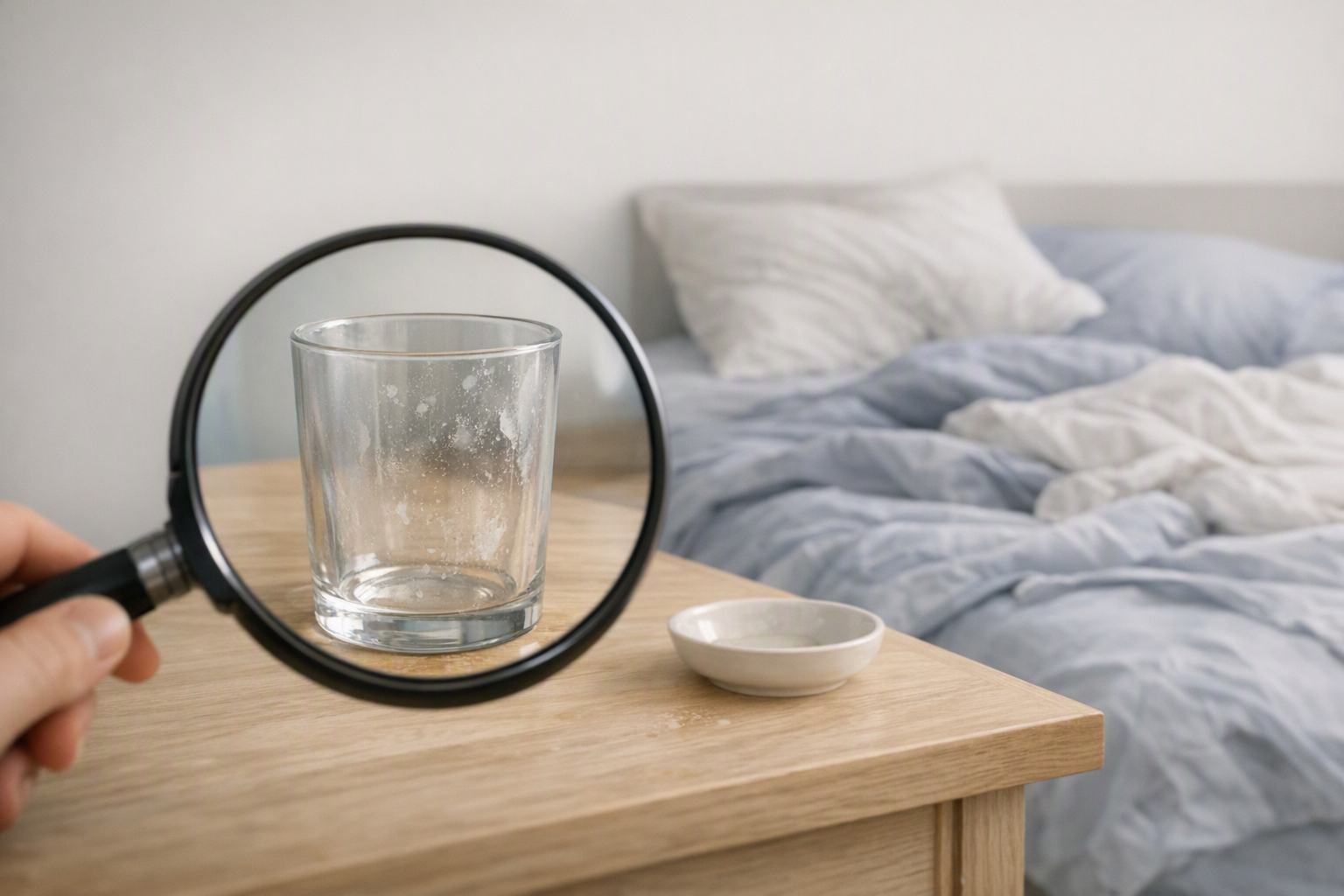
The Devastating Impact of Poor Cleaning on Your Holiday Rental
In the competitive tourist accommodation sector, online reputation is everything. A single negative review can divert dozens of potential guests to the competition. Of all the factors influencing a guest's rating, there is one that stands out above the rest due to its binary nature: it is either perfect, or it is a disaster. We are referring, without doubt, to the cleanliness and maintenance of the property.
Imagine the scene: a traveller arrives at your property after a ten-hour flight, tired, dragging suitcases, and expecting to relax. Upon opening the door, the first thing they detect is a slight musty smell, someone else's hair on the pillow, or a grease stain on the kitchen worktop. At that precise moment, the guest experience plummets. Trust is broken, and the guest will spend the rest of their stay actively looking for other faults. The inevitable consequence will be a two- or three-star review that will severely affect your ranking on platforms like Airbnb or Booking.com.
Guest Psychology: Why Dirt is Unforgivable
Unlike a slightly slow Wi-Fi connection or decor that might not appeal to everyone, a lack of hygiene is perceived as a direct lack of respect towards the guest and a risk to their health. Guests do not view cleanliness as a premium service, but as a basic right guaranteed by the price they have paid. When a tourist accommodation fails in this aspect, the guest's brain triggers an alert and disgust response.
Dirt evokes the presence of strangers. Finding traces of previous guests breaks the illusion of exclusivity and the "home away from home" feeling that holiday rentals promise. Therefore, optimising disinfection and tidying processes is not just an operational matter, but a crucial marketing strategy to ensure the long-term survival and profitability of your business.
The Real Cost of a 1-Star Review
Many owners make the mistake of quantifying the cost of cleaning solely in terms of the hourly wage of the cleaning staff. However, the true cost of poor hygiene is measured in lost future revenue. Let us analyse how a poor rating affects your bottom line:
- Loss of visibility in algorithms: Booking platforms severely penalise listings with low average ratings, relegating them to the final search pages.
- Reduction in average daily rate (ADR): To compensate for the lack of demand caused by bad reviews, you will be forced to lower your prices, reducing your profit margins.
- Loss of premium status: Losing badges like "Superhost" on Airbnb or "Preferred Partner" on Booking.com drastically decreases the conversion rate of your listings.
- Compensation costs: In many cases, to avoid a catastrophic review, owners must offer partial or full refunds for the stay, in addition to paying for emergency cleaning services at high rates.
The Ultimate Solution: Strategic and Professional Outsourcing
Given this scenario, cleaning management cannot be left to chance or in the hands of unqualified staff. Many owners attempt to handle the cleaning of their holiday flats personally to save costs, but soon discover it is an unsustainable task as booking volumes grow. The most efficient and scalable solution lies in outsourcing the cleaning and maintenance service.
Outsourcing does not mean washing your hands of the process; on the contrary, it involves professionalising operational management by delegating physical execution to experts, while you maintain quality control and strategic supervision through the right tools.
Why Should You Outsource Your Property's Cleaning?
Hiring a cleaning company specialised in the tourism sector offers multiple competitive advantages that more than justify the investment:
- Scheduling and operational flexibility: Check-outs and check-ins often occur within very tight timeframes (usually between 11:00 and 15:00). A professional team has the necessary human resources to clean multiple properties simultaneously during this critical window.
- Hotel standards: Specialised companies are familiar with disinfection regulations and apply professional techniques that go far beyond conventional domestic cleaning.
- Incident management and replacements: If an individual cleaner falls ill, your operations can collapse. An external company guarantees service coverage under any circumstances.
- Supply of consumables and professional laundry: They usually include the management of bed linen washed at high temperatures and the standardised replenishment of toiletries and amenities.
How to Choose the Right Cleaning Company or Team
Not all cleaning companies are suitable for the holiday rental sector. To select the perfect partner, you must carry out a screening process based on strict criteria:
Firstly, ensure they have demonstrable experience in managing holiday apartments or hotels, as the pace of work and attention to detail differ vastly from offices or residential homes. Secondly, request references from other owners in the sector. Finally, verify that they hold valid public liability insurance that covers any potential material damage or accidents within your properties while carrying out their duties.
The Power of a Fixed and Digitalised Checklist
One of the most common mistakes when outsourcing is assuming that the cleaning staff know exactly what and how to clean every corner of your property. Every accommodation is unique and has its own quirks, critical areas, and delicate items. To guarantee consistency with every guest turnover, it is essential to implement a fixed and mandatory checklist.
This checklist must be detailed, visual, and, preferably, digitalised. A printed piece of paper can easily be lost, wet, or ignored. However, the use of advanced technological tools allows staff to complete tasks interactively from their mobile devices, ensuring that no corner is left unchecked.
To achieve flawless management, you can rely on Macufy's control forms. These digital tools allow you to design customised checklists for your cleaning and maintenance teams, requiring operators to tick off each completed task and even upload photographs of the flat's final condition before concluding the work.
Step-by-Step Structure of an Infallible Cleaning Checklist
A professional cleaning checklist for holiday homes should be divided by room and follow a logical order of execution (for example, from top to bottom and inside out) to optimise working time. Below, we break down the essential tasks that your control template should include:
1. Kitchen and Dining Area
The kitchen is one of the areas where guests are most demanding. The presence of grease or leftover food from previous guests triggers immediate rejection.
- Empty, clean, and thoroughly disinfect the inside of the fridge and freezer, ensuring no food from the previous guest remains.
- Clean the microwave and oven, removing any splatters or grease residue from the internal walls and trays.
- Wash and dry all crockery, cutlery, and kitchen utensils, arranging them neatly in the cupboards.
- Disinfect the worktop, sink, and taps, removing watermarks and limescale.
- Clean small appliances (coffee maker, toaster, kettle), emptying coffee grounds and breadcrumbs.
- Replenish complimentary items: a new sponge, clean dishcloth, washing-up liquid, spare bin bags, and clean tea towels.
2. Bathrooms (The Critical Area)
The bathroom is the temple of hygiene. Any sign of poor cleaning here will completely ruin the guest experience.
- Thoroughly clean and disinfect the toilet, paying special attention to hidden areas and the base. Place a hygienic seal strip if possible.
- Disinfect the shower or bath, ensuring the removal of soap scum, mould on tile grout, and hair in the drain.
- Clean and polish the mirror, basin worktop, and taps until they are free of watermarks and fingerprints.
- Provide clean and stylishly folded towels (bath towel, hand towel, and bath mat) for each guest.
- Replenish toilet paper (providing at least one new roll and one spare) and toiletries (shower gel, shampoo, hand soap).
- Empty and disinfect the bin, placing a new, appropriately sized bag.
3. Bedrooms and Bed Linen
Rest is the primary function of any accommodation. The bedroom must convey a sense of freshness, peace, and absolute cleanliness.
- Remove all used bed linen and replace it with clean, ironed sheets, pillowcases, and mattress protectors that are free from stains or tears.
- Check under the bed and behind the bedside tables to ensure there are no items left behind by previous guests or dust accumulation.
- Dust all surfaces: headboard, bedside tables, lamps, wardrobes, and drawers (also checking inside them).
- Clean television screens and remote controls (the latter must be thoroughly disinfected).
- Ensure there are enough hangers in the wardrobe and that they are arranged uniformly.
4. Living Room and Common Areas
The living room is the space where guests spend most of their waking hours. It must look welcoming, tidy, and free of visible dirt.
- Vacuum and clean the sofa and armchairs, removing cushions to clear away crumbs or items that may have fallen into the crevices.
- Dust shelves, side tables, photo frames, artificial plants, and electronic devices.
- Clean window glass and sliding doors leading to balconies or terraces, removing fingerprints and rain marks.
- Tidy the sofa cushions, throw blankets, and place remote controls in a visible and tidy spot.
- Vacuum and mop the floor using the appropriate product for the material type (wood, tile, marble).
Regular and Unexpected Quality Inspections: Trust but Verify
Having a professional team and a detailed checklist gets you 80% of the way to success, but it does not guarantee 100% consistency over time. Over the months, routine can breed overconfidence in cleaning staff, leading to minor oversights that accumulate and ultimately cause user complaints. To prevent this drift in quality, it is essential to implement a system of regular and unexpected quality inspections.
A quality audit is a control tool aimed at verifying that established standards are rigorously and consistently met. It is not an act of distrust towards your workers, but a process of continuous improvement that benefits all parties involved.
The Value of Surprise Audits
Scheduled inspections are useful, but surprise audits are what truly reflect the real day-to-day condition of your properties. By conducting unannounced control visits immediately after the cleaning team has finished their work, you will get an accurate picture of the experience the guest will encounter upon opening the door.
These inspections will allow you to detect repetitive faults before a guest does, identify training needs for the cleaning staff, and adjust checklists if you notice areas that are systematically being overlooked.
How to Conduct a Quality Inspection Without Disturbing the Guest
The key to conducting these audits effectively is timing. They must be carried out strictly during the time window between the completion of the cleaning and the scheduled arrival time of the new guest.
During the inspection, use a "clinical eye" approach. Do not just look superficially; perform active checks:
- Wipe a white microfibre cloth along the tops of door frames, light bulbs, and skirting boards to check for residual dust build-up.
- Turn on the taps to check water pressure, temperature, and to ensure there are no leaks or blockages in the drains.
- Turn on all appliances, lights, and air conditioning systems to verify they work correctly.
- Check the overall smell of the property. A neutral or subtly clean scent is preferable to excessively strong industrial perfumes, which are often used to mask bad odours such as tobacco or damp.
Preventive Maintenance: The Shield Against Last-Minute Breakdowns
Cleaning and maintenance go hand in hand. A perfectly clean flat with a broken blind, a dripping tap, or air conditioning that does not cool will generate exactly the same number of negative reviews as a dirty property. Maintenance should not be reactive (waiting for something to break to fix it), but preventive.
Preventive maintenance involves carrying out regular checks and tune-ups of the property's facilities and equipment to anticipate failures and extend the lifespan of assets. This practice not only prevents guest complaints but also saves thousands of pounds in urgent emergency repairs during weekends or high-occupancy holiday periods.
Seasonal Maintenance Schedule
To manage maintenance in a structured way, it is advisable to design an annual schedule divided by season, taking advantage of low-occupancy periods to carry out the most invasive tasks:
| Season | Critical Maintenance Tasks |
|---|---|
| Spring | Checking and cleaning air conditioning filters, tuning up terraces and outdoor furniture, checking for dampness after winter. |
| Summer | Preventive pest control, verifying the operation of fans and cooling systems, checking pool conditions. |
| Autumn | Bleeding radiators, checking boilers and heating systems, cleaning gutters and outdoor drains to prevent flooding. |
| Winter | Insulating outdoor pipes against frost, checking the seals of windows and doors, painting and restoring interior walls. |
The Emergency Kit for Quick Repairs
No matter how thorough your preventive maintenance is, unexpected issues happen. A guest might accidentally break a light bulb, misconfigure the router, or block a pipe. To resolve these incidents immediately and prevent them from negatively affecting the stay, it is vital to have a maintenance emergency kit located in a locked cupboard inside the property, accessible only to the owner, manager, or trusted staff.
This basic tool kit should include:
- A basic tool set (multi-bit screwdriver, pliers, hammer, spanner).
- Spare bulbs of all types and wattages used in the property.
- Spare batteries for remote controls (air conditioning, TV) and electronic locks.
- Heavy-duty duct tape and PTFE tape for plumbing.
- A manual plunger and fast-acting chemical drain unblockers.
- Spare fuses and trip switches for the main electrical board if applicable.
Workflow Optimisation and Automated Communication
Excellence in the operational management of a holiday rental depends not only on knowing how to clean and maintain the property, but on coordinating all parties involved harmoniously. The owner, the cleaning team, the maintenance technician, and, of course, the guest, must be perfectly synchronised in real time.
This is where technology becomes your best ally. Attempting to coordinate all of this through traditional phone calls, loose WhatsApp messages, or emails is a sure-fire recipe for operational disaster: forgotten cleanings, delayed check-ins, and constant misunderstandings.
Coordinating Timing Between Check-Out and Check-In
The most critical moment of daily operations is the transition period between the departure of one group of guests and the arrival of the next. On high-occupancy days, this process is usually concentrated within a window of barely 4 hours. During this time, the cleaning team must enter the property, complete the entire checklist, report any material damage, wash and replace linens, and leave the flat ready to welcome the new guests.
To avoid delays that cause frustration for guests waiting to enter, it is essential to have a centralised management system that automatically notifies the cleaning staff the exact moment a guest checks out. In this way, travel times are optimised and the productivity of the work team is maximised.
Keeping the Guest Informed at All Times
Uncertainty causes anxiety for travellers. If a guest arrives in the city before the official check-in time, or if there is an unexpected delay in preparing the flat, proactive and transparent communication can transform a potentially negative situation into an outstanding guest experience.
An excellent way to manage these situations is through the use of automated messages to guests. Thanks to these automated templates based on real events, you can send a warm message to the guest the exact moment the cleaning team marks the apartment as "ready" on their control app, allowing them to check in early if they wish. Likewise, if any last-minute maintenance issue arises, the system can notify the guest, explaining the situation empathetically and offering alternative solutions, drastically reducing the likelihood of receiving a formal complaint.
Conclusion: Your Path to Consistent 5-Star Reviews
Maintaining an impeccable standard of cleanliness and maintenance consistently is not a matter of chance, but the direct result of a well-structured, professionalised operating system backed by the right technological tools. By outsourcing your property's operational services, implementing rigorous fixed and digital checklists, conducting surprise quality audits, and optimising communication with your guests and teams through management platforms like Macufy, you will be shielding your business against negative reviews.
Remember that every pound invested in ensuring the cleanliness and perfect functioning of your properties translates directly into happier guests, better ratings on booking portals, an increase in the organic visibility of your listings, and, ultimately, greater profitability for your holiday rental business. Do not leave the success of your accommodation to chance; take control of your operations today and turn cleanliness into your greatest competitive advantage.