
How to Avoid Fake Guest Scams and Off-Platform Payments
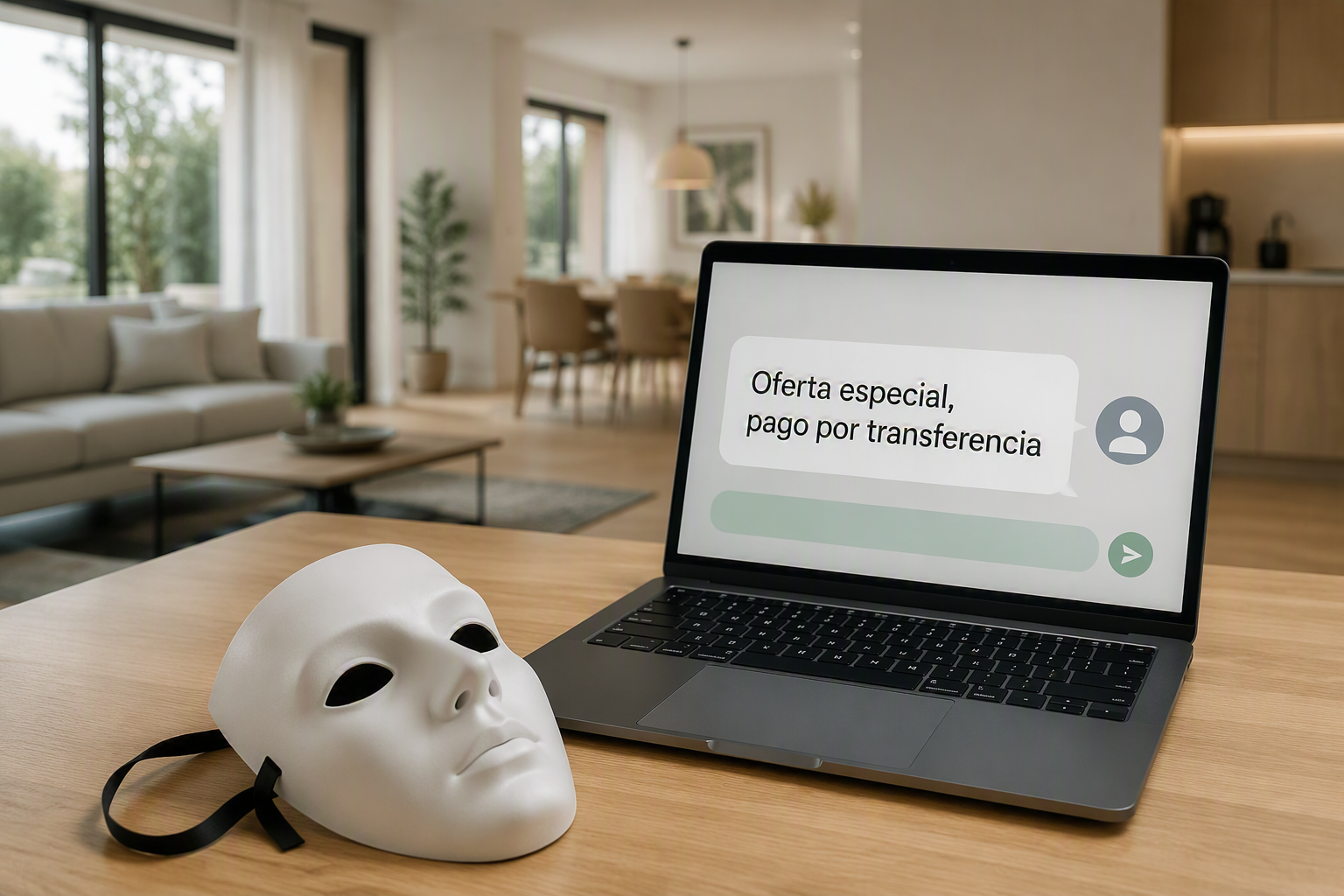
El sector de los alquileres vacacionales ha experimentado un crecimiento exponencial durante la última década, transformando la forma en que millones de viajeros eligen sus alojamientos y ofreciendo a los propietarios una vía accesible para monetizar sus propiedades. Plataformas como Airbnb, Booking.com y Vrbo han democratizado el acceso al mercado, permitiendo a miles de anfitriones gestionar sus alojamientos turísticos de forma sencilla y eficiente. Sin embargo, este auge, si bien positivo en muchos aspectos, también ha atraído la atención de individuos malintencionados: ciberdelincuentes y estafadores profesionales que buscan explotar la buena fe, los descuidos o la falta de experiencia de los anfitriones.
Una de las amenazas más perjudiciales y recurrentes en la actualidad, y que afecta directamente la seguridad financiera y operativa de cualquier negocio de alquiler vacacional, es el robo de identidad o el fraude de huéspedes falsos que solicitan pagar fuera de la plataforma. Este tipo de engaño no solo pone en riesgo los ingresos de una reserva específica, sino que también puede comprometer la seguridad financiera general de tu negocio, llevar a la suspensión de tus cuentas en las Agencias de Viajes Online (OTAs) e incluso generar un enorme nivel de estrés y frustración personal. Para blindar tus activos y asegurar la continuidad de tu operación, es absolutamente esencial comprender a fondo cómo operan estos delincuentes, cuáles son las señales de alerta inconfundibles y, lo que es más importante, qué medidas tecnológicas y procedimentales debes implementar de inmediato para proteger tu inversión y tu tranquilidad.
La anatomía del fraude por robo de identidad en alojamientos turísticos
Para defenderte eficazmente de cualquier adversario, es fundamental primero entender su forma de pensar y actuar. Los estafadores que se hacen pasar por huéspedes rara vez son criminales aficionados; por el contrario, suelen emplear técnicas de ingeniería social altamente sofisticadas, diseñadas para ganarse la confianza del propietario antes de ejecutar la estafa financiera. Este proceso meticuloso les permite manipular situaciones y extraer información o dinero sin levantar sospechas iniciales.
El perfil del estafador: ¿Quién está detrás del fraude de identidad en alquileres vacacionales?
El proceso suele comenzar con un perfil de usuario que, a primera vista, parece inofensivo. Sin embargo, en la mayoría de los casos, este perfil ha sido creado recientemente con datos falsos o, peor aún, es el resultado del robo de identidad de un usuario real cuya cuenta ha sido comprometida o hackeada. Los estafadores invierten tiempo en hacer que estos perfiles parezcan creíbles, a menudo utilizando fotos de stock o información genérica que no levanta sospechas inmediatas. La sofisticación de estos perfiles ha aumentado con el tiempo, haciendo que sea cada vez más difícil distinguirlos a simple vista de un huésped genuino.
Este huésped falso, una vez establecido su 'personaje', envía una consulta o una solicitud de reserva para una estancia de un valor considerable. No buscan reservas de una noche o de bajo coste. Sus objetivos son estancias que representen una suma significativa de dinero, como, por ejemplo, varias semanas o meses de duración, o fechas festivas de alta demanda donde los precios por noche son naturalmente más elevados. Esta táctica no es aleatoria; responde a una estrategia bien definida.
¿Por qué los estafadores eligen reservas de alto valor?
Los estafadores se centran en reservas costosas por dos razones principales, ambas explotando la psicología humana y las dinámicas del mercado de alquileres vacacionales:
- La urgencia y la emoción del anfitrión: Saben que ver una reserva potencial valorada en miles de euros o dólares genera una emoción considerable en el propietario. Esta emoción, a menudo ligada a la perspectiva de un ingreso sustancial, puede nublar el juicio y reducir las defensas lógicas del anfitrión. En su afán por no 'perder' una oportunidad tan lucrativa, el propietario puede ser más propenso a pasar por alto las señales de alerta que, en otras circunstancias, le harían sospechar. Es una táctica de manipulación psicológica que busca desarmar la cautela natural del anfitrión.
- Maximización del beneficio ilícito: Si logran ejecutar la estafa, la recompensa financiera es mucho mayor. Este mayor botín justifica el tiempo y el esfuerzo invertidos en la interacción, que a menudo puede prolongarse durante días o incluso semanas. Para un estafador, una operación exitosa que rinde miles es mucho más atractiva y eficiente que múltiples estafas de bajo valor.
Comprender esta motivación es clave para reconocer el patrón. Cualquier reserva inusualmente grande que venga acompañada de peticiones extrañas o una insistencia fuera de lo común debería activar inmediatamente tus alarmas internas, independientemente de lo atractivo que parezca el importe.
El modus operandi: La trampa del pago fuera de plataforma
Una vez que el huésped falso ha establecido un contacto inicial y ha mostrado un interés entusiasta en el alojamiento, entra en juego el elemento crítico de la estafa: la necesidad de realizar el pago fuera de los canales oficiales de la OTA. Este es el punto de inflexión, el momento en que el estafador intenta sacar al anfitrión del entorno seguro y regulado de la plataforma para llevarlo a un terreno donde las reglas y protecciones desaparecen.
Pretextos comunes y cómo se utilizan para engañar a los anfitriones
Los pretextos utilizados para justificar esta solicitud son variados y, lo que es crucial, suelen sonar extremadamente convincentes para una persona desprevenida. Los estafadores son expertos en construir narrativas que apelan a la lógica o a la empatía del anfitrión:
- Políticas corporativas ficticias: Este es uno de los pretextos más comunes y elaborados. El estafador afirma que su empresa (a menudo una multinacional o una organización gubernamental de gran prestigio) está pagando el viaje de negocios. Su departamento de contabilidad, según ellos, tiene una política estricta que requiere una transferencia bancaria directa o un pago mediante cheque certificado, ya que no se les permite utilizar tarjetas de crédito corporativas en plataformas de terceros debido a 'auditorías internas' o 'políticas de seguridad de datos'. A veces, incluso, adjuntan documentos falsos que simulan ser políticas de empresa o cartas de autorización para darle mayor credibilidad. La idea es hacerte creer que están actuando bajo un mandato corporativo legítimo e ineludible.
- Problemas técnicos simulados: Otra táctica frecuente es alegar que la plataforma les está cobrando 'comisiones excesivas' o 'tasas ocultas' que no pueden justificar ante su empresa. También pueden afirmar que el sistema de pagos de la OTA está 'fallando' con su tarjeta extranjera o que su cuenta tiene 'limitaciones temporales' que impiden completar la transacción. En algunos casos, incluso pueden enviar capturas de pantalla falsificadas de supuestos errores en el proceso de pago. El objetivo es generar una sensación de frustración y urgencia, empujándote a buscar una 'solución alternativa' fuera de la plataforma.
- Descuentos por trato directo (el 'win-win' engañoso): Este pretexto apela al deseo natural del anfitrión de ahorrar comisiones. El estafador propone un 'trato' aparentemente beneficioso para ambas partes: si cancelan la reserva en la plataforma y gestionan el pago externamente, tú te ahorras las comisiones de la OTA (que pueden ser significativas en reservas de alto valor) y ellos obtienen un descuento en el precio final. Presentan esto como una oportunidad de 'ganar-ganar', pero en realidad es una trampa cuidadosamente diseñada para eliminar todas las protecciones que la plataforma ofrece. La promesa de un ahorro inmediato puede ser muy tentadora, pero el riesgo asociado es infinitamente mayor.
- Circunstancias personales excepcionales: En ocasiones, el estafador inventa historias conmovedoras o complejas sobre enfermedades familiares, herencias inesperadas, reubicaciones laborales urgentes en el extranjero o misiones diplomáticas. Estas narrativas emocionales buscan generar empatía y justificar por qué necesitan un método de pago inusual o por qué no pueden seguir los procedimientos estándar de la plataforma. La intención es distraer al anfitrión de las señales de alerta y manipular sus emociones para que acceda a la solicitud.
Cualquiera de estas excusas, por muy plausible que suene, es la puerta de entrada a un grave fraude financiero. Al aceptar o incluso considerar la posibilidad de salir del entorno seguro de la plataforma de reserva, el anfitrión queda completamente desprotegido, perdiendo todas las garantías y el soporte que las OTAs ofrecen para transacciones seguras. Es crucial recordar que las plataformas invierten millones en sistemas de seguridad y antifraude, y al abandonarlos, te expones a los riesgos que precisamente buscan mitigar.
Los peligros reales de procesar pagos externos
Aceptar dinero fuera de plataformas como Airbnb o Booking.com expone al propietario a múltiples formas de estafa financiera, cada una con el potencial de causar pérdidas económicas significativas y problemas operativos. Las tres más comunes y destructivas son las siguientes, pero existen otras variaciones igualmente peligrosas:
1. La estafa del sobrepago: Un clásico con nuevas variantes
En este escenario, el estafador envía un método de pago físico (como un cheque bancario o un giro postal) o un recibo de transferencia bancaria falsificado por una cantidad significativamente superior al coste real de la reserva. Este 'error' es intencional y forma parte de la trampa. Inmediatamente después de enviar el pago (o el comprobante), se ponen en contacto con el propietario, disculpándose efusivamente por el 'error' cometido por su departamento de contabilidad o por ellos mismos, y solicitan encarecidamente que se les devuelva la diferencia de forma urgente. Para esta devolución, suelen pedir métodos de pago no rastreables o difíciles de revertir, como una transferencia directa, transferencias bancarias instantáneas (Bizum, Zelle, etc.), Western Union, MoneyGram o incluso criptomonedas.
El propietario, al ver el cheque o el aparente saldo pendiente en su cuenta (que a menudo tarda unos días en ser verificado por el banco), actúa de buena fe y devuelve la diferencia. Días después, o incluso semanas, el banco detecta que el cheque original era falso, que la transferencia de origen provenía de una cuenta robada o que simplemente no hay fondos. En ese momento, el banco procede a anular o revertir el depósito inicial. El resultado es devastador: el anfitrión pierde el dinero que 'devolvió' de su propio bolsillo y, además, se queda sin la reserva y con la propiedad ocupada por un 'huésped' que nunca pagó o que no existe. Esta estafa puede generar pérdidas de miles de euros y un gran dolor de cabeza.
2. Retrocesos de cargos (chargebacks) por tarjetas de crédito robadas
Si el propietario dispone de su propio terminal de punto de venta (TPV) físico o virtual y accede a cobrar directamente tomando los datos de la supuesta tarjeta del huésped, corre el riesgo inminente de procesar una tarjeta clonada o robada. Inicialmente, el pago puede ser autorizado sin problemas, ya que la tarjeta puede estar activa en el momento de la transacción. Sin embargo, semanas o incluso meses después, el titular legítimo de la tarjeta descubre el cargo no autorizado y lo reporta a su institución financiera. El banco emisor, al verificar la denuncia, ejecuta un retroceso de cargo (chargeback), retirando los fondos de la cuenta del propietario. Esto significa que, además de perder el dinero correspondiente a la estancia (que a menudo ya ha sido utilizada por el estafador), el anfitrión suele tener que pagar una penalización bancaria por la disputa comercial, lo que incrementa aún más la pérdida económica. Este tipo de estafa no solo afecta financieramente, sino que también puede dañar la reputación del comercio con su banco y procesador de pagos.
3. Phishing y robo de credenciales: La puerta a tus datos más sensibles
A menudo, el intento de pago externo viene acompañado de un enlace enviado por correo electrónico, WhatsApp, SMS o incluso a través de un canal de chat externo. El estafador afirma que el enlace conduce a una pasarela de pago segura, un sistema de depósito en garantía (escrow) o una página para verificar la identidad para la supuesta transferencia. Al hacer clic, el propietario es redirigido a una página web que es una réplica casi idéntica de la de su banco, la de la OTA misma, o incluso la de un servicio de pago conocido. Estas páginas están diseñadas específicamente para robar sus contraseñas, detalles bancarios, números de tarjeta de crédito y, crucialmente, los códigos de verificación de dos factores. Una vez que el anfitrión introduce sus credenciales en esta página falsa, los estafadores obtienen acceso a sus cuentas, pudiendo realizar transferencias, compras o incluso acceder a otras plataformas vinculadas. Esto no solo pone en riesgo los fondos del propietario, sino también su identidad digital y la seguridad de todo su negocio. El robo de credenciales puede ser mucho más devastador que la pérdida de una única reserva.
4. Fraude con la propiedad: Más allá del dinero
Aunque los fraudes de pago son los más comunes, existen otras formas de estafa que se derivan de la comunicación fuera de la plataforma. Algunos estafadores pueden intentar obtener información detallada sobre la propiedad (códigos de acceso, ubicación exacta, sistemas de seguridad) con la intención de realizar robos o actos vandálicos en el futuro. Al interactuar fuera de la plataforma, el anfitrión podría revelar inadvertidamente datos sensibles que no compartiría en el entorno controlado de la OTA. Incluso ha habido casos de 'huéspedes' que, tras obtener acceso a la propiedad, intentan cambiar cerraduras o establecer su residencia de forma ilegal, aprovechando la falta de un registro oficial de la reserva.
5. Manipulación de reseñas y extorsión
Otro peligro latente es la extorsión. Un estafador que haya logrado contactarte fuera de la plataforma podría amenazarte con dejar una reseña negativa devastadora si no cumples con sus demandas, incluso si estas son ilícitas (como devolver un dinero que no te corresponde o permitir una estancia gratuita). Dado que la comunicación se ha movido fuera de los canales oficiales, la plataforma podría tener dificultades para verificar la veracidad de la extorsión, dejando al anfitrión en una posición vulnerable. La reputación online es un activo invaluable en el sector de alquileres vacacionales, y los estafadores lo saben.
Es evidente que los riesgos asociados a los pagos y comunicaciones externas son múltiples y graves. La mejor defensa es una política de tolerancia cero y una adhesión estricta a las normas de seguridad de las plataformas.
Las dos reglas de oro para proteger tu negocio de alquiler vacacional
Afortunadamente, evitar caer en estas trampas es extremadamente sencillo si se aplican con estricta disciplina dos reglas fundamentales de seguridad operativa. Estas reglas deben ser inquebrantables, sin importar lo educado, amable o aparentemente adinerado que parezca el individuo. La consistencia en su aplicación es tu mejor defensa contra el fraude de identidad y los pagos fuera de plataforma en alquileres vacacionales.
Regla 1: Nunca aceptes pagos fuera de la plataforma
Esta es la regla más importante y la base de tu seguridad financiera. Las plataformas de reserva no cobran comisiones por capricho; lo hacen precisamente porque actúan como intermediarios financieros seguros y fiables. Su valor añadido radica en:
- Asunción del riesgo de la transacción: Las OTAs se encargan de verificar la validez de los métodos de pago. Si hay un problema con la tarjeta del huésped o si se intenta un fraude, la plataforma es la primera línea de defensa. Tú, como anfitrión, no tienes que preocuparte por la autenticidad de los fondos.
- Verificación de métodos de pago: Utilizan sistemas sofisticados para comprobar que las tarjetas de crédito son válidas y que los fondos están disponibles. Esto minimiza el riesgo de cheques falsos, transferencias fraudulentas o tarjetas robadas que podrías encontrar al procesar pagos directamente.
- Cobertura de seguridad y protección: Muchas plataformas ofrecen sistemas de protección al anfitrión (como AirCover de Airbnb o los sistemas de protección de pagos de Booking.com). Estos programas están diseñados para protegerte contra daños a la propiedad, cancelaciones fraudulentas y, fundamentalmente, problemas de pago. Al procesar los pagos a través de ellas, tienes una garantía absoluta de que recibirás tu dinero una vez que el huésped realice el check-in, o en los plazos estipulados por la plataforma. Si surge una disputa de pago, la plataforma actuará como mediador y, en muchos casos, te compensará si el problema no es culpa tuya.
- Prevención de fraudes: Las plataformas invierten fuertemente en tecnología antifraude. Sus sistemas monitorean patrones de comportamiento sospechosos, transacciones inusuales y el uso de credenciales comprometidas. Al mantener el pago dentro de sus canales, te beneficias de esta infraestructura de seguridad.
Si un huésped insiste en pagar mediante transferencia externa, cheque, efectivo a la llegada (cuando la plataforma requiere prepago) o a través de enlaces externos, tu respuesta debe ser un no rotundo y firme. Explica de manera educada, pero inequívoca, que las políticas de tu propiedad y los términos de servicio de la plataforma prohíben estrictamente aceptar pagos fuera del sistema. No te dejes presionar por la promesa de un 'gran descuento' o por una historia conmovedora; el riesgo es demasiado alto.
Regla 2: Mantén toda la comunicación en el chat oficial de la plataforma
Esta regla es tan vital como la primera para combatir el fraude de identidad y los pagos externos en alquileres vacacionales. Los estafadores necesitan sacarte del chat oficial de la plataforma para varios propósitos:
- Evitar la detección automática: Los sistemas automatizados de detección de fraude de las OTAs escanean constantemente los mensajes en busca de palabras clave sospechosas. Términos como 'teléfono', 'correo electrónico', 'WhatsApp', 'transferencia', 'descuento', 'pago directo' o 'fuera de plataforma' suelen activar alertas internas en las plataformas, que pueden bloquear el mensaje, advertir al anfitrión o incluso suspender la cuenta del infractor. Al mover la conversación, el estafador elude estos filtros de seguridad.
- Eliminar pruebas: Al comunicarte exclusivamente a través del servicio de mensajería oficial, se crea un registro inalterable de toda la interacción. En caso de cualquier disputa, reclamación o intento de estafa, el equipo de soporte de la OTA puede auditar la conversación y, si se demuestra el fraude, fallar a tu favor de inmediato. Si mueves la conversación a WhatsApp, correo electrónico personal o llamadas telefónicas, pierdes esta valiosa prueba de soporte. Las plataformas no suelen aceptar capturas de pantalla externas como evidencia concluyente, ya que son fácilmente manipulables.
- Facilitar la manipulación: Fuera de la plataforma, el estafador tiene mayor libertad para ejercer presión, enviar enlaces de phishing o realizar llamadas que busquen confundirte y manipularte sin que nadie más pueda monitorizar la interacción.
Para gestionar todas las interacciones de manera eficiente y centralizada sin perder el control, es extremadamente útil contar con herramientas profesionales para la sincronización de reservas. Estas herramientas, como las que ofrece Macufy, permiten monitorear el estado de tu alojamiento en tiempo real, centralizar la comunicación y, lo más importante, evitar solapamientos o descuidos que los estafadores podrían explotar. Al tener un sistema unificado, puedes asegurarte de que todas las comunicaciones pasen por el canal oficial antes de ser gestionadas, lo que añade una capa extra de seguridad y eficiencia.
Señales de alerta (red flags) que deben hacerte sospechar
La prevención digital se basa en la atención a los detalles y en el desarrollo de un 'sexto sentido' para lo inusual. Existen múltiples patrones de comportamiento que se repiten constantemente en los intentos de fraude de identidad y pagos fuera de plataforma en alquileres vacacionales. Si detectas una o más de estas señales en una solicitud de reserva, ejerce una extrema precaución y no dudes en activar tus protocolos de seguridad:
- Urgencia extrema y presión para actuar rápidamente: Solicitudes para el mismo día o para el día siguiente, especialmente para estancias largas o de alto valor. Los estafadores quieren que actúes deprisa y bajo presión para que cometas errores de juicio y pases por alto las señales de alerta. Desconfía de frases como "Necesito reservar urgentemente", "Mi jefe me presiona" o "Responda ahora mismo".
- Redacción genérica o traducciones incoherentes: Mensajes que parecen plantillas copiadas y pegadas, donde no se menciona el nombre de tu propiedad, tu ciudad o detalles específicos de tu anuncio. A menudo, presentan una gramática extraña o errores sintácticos resultantes de traductores automáticos de baja calidad. Esto indica que el mensaje no está personalizado y se envía a múltiples anfitriones.
- Oferta de sobrepago voluntario: Huéspedes que, de forma voluntaria y sin que se les pida, ofrecen pagar una tarifa superior a la establecida en tu anuncio a cambio de que aceptes su método de pago preferido (generalmente fuera de la plataforma). Esta es una señal inequívoca de la estafa del sobrepago.
- Historias personales excesivamente elaboradas: Relatos complejos y dramáticos sobre enfermedades, herencias inesperadas, reubicaciones corporativas gubernamentales, misiones diplomáticas secretas o problemas familiares graves. Estas historias buscan generar empatía y justificar por qué necesitan un método de pago inusual o por qué no pueden seguir los procedimientos estándar de la plataforma.
- Perfiles de usuario vacíos o sospechosos: Cuentas creadas el mismo día de la consulta, sin foto de perfil, sin verificaciones de identidad completadas (si la plataforma lo permite) y, crucialmente, sin reseñas de otros anfitriones. La falta de historial es una bandera roja gigante. También presta atención a perfiles con nombres genéricos o que parecen ser de negocios pero no tienen un sitio web o información verificable.
- Insistencia inmediata en obtener tu contacto directo: Mensajes donde camuflan su número de teléfono o dirección de correo electrónico escribiendo números con letras (por ejemplo, 'seis-cinco-dos...') o separando las letras de la dirección de email con espacios para eludir los filtros de seguridad de la plataforma. La prisa por llevar la conversación fuera del chat oficial es una táctica estándar de los estafadores.
- Preguntas excesivamente detalladas sobre la propiedad o sistemas de seguridad: Más allá de las preguntas normales sobre comodidades, el estafador podría preguntar sobre sistemas de alarma, códigos de acceso, la ubicación de cámaras de seguridad, o detalles sobre el vecindario que no son relevantes para una estancia normal. Esto podría ser una señal de intento de reconocimiento para un futuro robo.
- Solicitudes de servicios inusuales o fuera de lo común: Pedir que se les recoja en el aeropuerto con un coche de lujo, que se les compre comida específica antes de la llegada, o que se les gestione un servicio que claramente va más allá de lo que un anfitrión de alquiler vacacional suele ofrecer. Esto puede ser una prueba para ver cuán dispuesto estás a romper tus reglas o a ofrecer servicios adicionales que puedan explotar.
- Uso de direcciones de correo electrónico o enlaces sospechosos: Si te envían un correo electrónico que no coincide con el nombre de usuario de la plataforma, o enlaces que parecen ser de bancos o servicios de pago pero tienen URLs extrañas o faltas de ortografía, es casi seguro que se trata de un intento de phishing.
Confía en tu intuición. Si algo no te parece bien, es probable que no lo sea. Es mejor ser precavido y perder una posible reserva (que probablemente era fraudulenta) que caer víctima de una estafa que podría costarte mucho más.
Cómo responder profesional y seguramente a un potencial fraude
Si recibes una solicitud que activa tus alarmas, no hay necesidad de entrar en pánico ni de responder de manera hostil. Mantén la calma y sigue este protocolo recomendado para anfitriones profesionales. Una respuesta medida y estratégica es crucial para protegerte y para que la plataforma pueda actuar adecuadamente contra el fraude de identidad y pagos fuera de plataforma en alquileres vacacionales.
Paso 1: Responde siempre dentro de la plataforma y refuerza los estándares de seguridad
Tu primera acción debe ser responder siempre dentro del chat oficial de la plataforma. Nunca te muevas a un canal externo. En tu respuesta, puedes utilizar plantillas de mensajes automáticos a huéspedes, una funcionalidad que Macufy ofrece, para estandarizar tus respuestas y recordarles de forma educada pero firme que, debido a las políticas de seguridad de tu empresa y las de la propia OTA, no está permitido intercambiar datos de contacto personales ni realizar pagos externos antes de que la reserva esté completamente confirmada y pagada a través del sistema. Un ejemplo podría ser:
"Agradecemos su interés en nuestra propiedad. Para su seguridad y la nuestra, todas las comunicaciones y transacciones de pago deben realizarse exclusivamente a través de la plataforma [Nombre de la OTA]. Esto garantiza que su reserva esté protegida por las políticas de la plataforma y que ambos tengamos un registro oficial de nuestra interacción. No podemos aceptar pagos ni datos personales fuera de este sistema. Por favor, realice su reserva y pago a través de los canales oficiales."
Esta respuesta no solo es profesional, sino que también establece límites claros y educa al huésped (o al estafador) sobre tus políticas de seguridad.
Paso 2: No proporciones ningún dato sensible
Bajo ninguna circunstancia debes compartir tu dirección de correo electrónico personal, tu número de teléfono móvil, tus datos bancarios (IBAN, número de cuenta), fotos de tus documentos de identidad, ni ninguna otra información personal o financiera. Los estafadores están buscando precisamente obtener estos datos para explotarlos. Si te los piden, es una señal de alerta máxima. Ignora la petición o reitera que toda la información necesaria se gestiona a través de la plataforma.
Paso 3: Reporta al usuario inmediatamente
Todas las principales plataformas (Airbnb, Booking.com, Vrbo) tienen un botón o una opción para 'Reportar este mensaje', 'Reportar usuario' o 'Marcar como spam/fraude'. Al hacer clic en esta opción, el equipo de seguridad de la OTA será alertado y revisará el perfil y los mensajes del sospechoso. Actuarán rápidamente para bloquear la cuenta de forma preventiva si se confirman pruebas de fraude. Cuantos más anfitriones reporten a un mismo estafador, más rápido actuará la plataforma. Es tu responsabilidad contribuir a la seguridad de la comunidad de anfitriones.
Paso 4: No canceles la reserva tú mismo si ya está pre-confirmada
Si el estafador ha logrado realizar una reserva y tú sospechas que se trata de un fraude, es crucial que no canceles la reserva unilateralmente. Si lo haces, la plataforma podría aplicarte penalizaciones financieras (cargos por cancelación) o afectar negativamente tu posicionamiento en los resultados de búsqueda, ya que desde su perspectiva, tú eres quien ha cancelado una reserva legítima. En su lugar, contacta directamente con el servicio de atención al cliente de la plataforma, explícales detalladamente tus sospechas y proporciona todas las pruebas (mensajes, solicitudes inusuales, etc.). Si el soporte de la OTA verifica el riesgo de fraude, ellos mismos procederán a cancelar la reserva sin coste alguno para ti, e incluso podrían ayudarte a reponer el calendario para que la fecha quede disponible de nuevo. Mantén un registro de tus comunicaciones con el soporte de la plataforma.
Paso 5: Documenta todo y mantén un registro
Aunque la comunicación oficial ya es un registro, si el estafador intenta contactarte por otros medios (llamadas sin contestar, correos electrónicos a tu bandeja de spam), haz capturas de pantalla o anota los detalles. Esta información adicional, aunque no sea aceptada como prueba principal por la OTA, puede ser útil para construir un caso más sólido si fuera necesario. Guarda los nombres de usuario, las fechas y horas de los mensajes sospechosos.
Paso 6: Permanece alerta incluso después de reportar
Algunos estafadores son persistentes y pueden intentar contactarte desde otra cuenta o a través de otro método. Mantente vigilante y sigue aplicando las dos reglas de oro. La vigilancia continua es una parte esencial de la protección contra el robo de identidad y el fraude en alquileres vacacionales.
El papel de la tecnología en la protección de tu negocio de anfitrión
La seguridad de un alquiler vacacional no solo depende de la intuición y la diligencia del propietario, sino también de la robustez y eficiencia de las herramientas de gestión que utiliza en su día a día. Centralizar las operaciones de tu negocio a través de un software especializado para anfitriones como Macufy te ayuda a reducir drásticamente la exposición a estos riesgos de fraude de identidad y pagos fuera de plataforma. La tecnología se convierte en tu aliado más poderoso para blindar tu negocio.
Automatización y sincronización: Menos errores humanos, más seguridad
Al contar con sistemas automatizados que gestionan la comunicación y la sincronización de tus propiedades en múltiples canales, minimizas significativamente el factor de error humano. Los propietarios que gestionan varias plataformas manualmente a menudo se encuentran abrumados por la carga administrativa, lo que los convierte en objetivos perfectos para los estafadores que buscan explotar el caos organizacional o la falta de atención. Un anfitrión estresado y ocupado es más propenso a pasar por alto una señal de alerta o a ceder ante una petición inusual.
Macufy, al ofrecer una sincronización de reservas fluida y confiable, asegura que tus calendarios estén siempre perfectamente actualizados, evitando dobles reservas que podrían ser explotadas por estafadores o que simplemente generen problemas operativos. Además, sus capacidades de mensajes automáticos a huéspedes garantizan que las respuestas iniciales, las confirmaciones y los recordatorios de políticas se envíen de manera consistente y profesional. Esto establece un estándar de comunicación seguro desde el primer contacto, cerrando las puertas a cualquier intento de manipulación psicológica por parte de los ciberdelincuentes que buscan debilidades en la comunicación del anfitrión. Al tener respuestas predefinidas que refuerzan las políticas de la plataforma, el estafador encuentra menos margen para sus argucias.
Centralización de la información y gestión de la reputación
Un sistema de gestión centralizado como Macufy te permite tener una visión completa de todas tus reservas, comunicaciones y huéspedes desde un único panel. Esto no solo mejora la eficiencia, sino que también facilita la detección de patrones sospechosos. Si un estafador intenta contactarte a través de diferentes canales o con diferentes identidades, un sistema centralizado te ayudará a identificar estas anomalías más rápidamente. Además, al mantener un registro organizado de todas las interacciones, tienes una base de datos sólida para cualquier referencia o informe que necesites hacer a las plataformas.
La gestión profesional a través de Macufy también contribuye a mantener una imagen de marca sólida y confiable. Un negocio que opera con eficiencia y profesionalismo es menos atractivo para los estafadores, quienes prefieren objetivos que parezcan desorganizados o vulnerables. Al proyectar una imagen de rigor y seguridad, disuades a los posibles defraudadores.
Medidas de seguridad avanzadas para anfitriones proactivos
Más allá de las reglas básicas, los anfitriones que buscan una protección exhaustiva contra el robo de identidad y el fraude en alquileres vacacionales pueden implementar estrategias adicionales para fortalecer la seguridad de su negocio. Estas medidas, aunque pueden requerir un esfuerzo extra, proporcionan una capa adicional de tranquilidad.
1. Procesos de verificación de huéspedes adicionales
Aunque las OTAs ya realizan verificaciones básicas, algunos anfitriones optan por implementar sus propios procesos de verificación para estancias de alto valor o huéspedes que generen una mínima sospecha. Esto puede incluir:
- Solicitar una copia de un documento de identidad: Para estancias largas o propiedades de lujo, puedes solicitar al huésped que envíe una copia de su pasaporte o documento nacional de identidad a través de un canal seguro (nunca por email no cifrado). Asegúrate de que esto sea compatible con las políticas de la OTA y las leyes de privacidad de tu región (GDPR en Europa, por ejemplo).
- Videollamada de verificación: Una breve videollamada con el huésped antes de la llegada puede ayudar a confirmar su identidad y a establecer una conexión personal. Esto disuade a muchos estafadores que prefieren mantenerse en el anonimato.
- Verificación de redes sociales o perfiles profesionales: Si el huésped menciona su profesión o empresa, una búsqueda rápida en LinkedIn u otras redes puede ofrecer una capa adicional de verificación. Sin embargo, sé cauteloso con la información personal que solicitas y siempre respeta la privacidad.
2. Depósitos de seguridad y seguros específicos
Asegúrate de configurar depósitos de seguridad adecuados a través de la plataforma. Estos depósitos, gestionados por la OTA, ofrecen una protección financiera en caso de daños a la propiedad o incumplimiento de las normas. Además, considera contratar un seguro específico para alquileres vacacionales que cubra una amplia gama de riesgos, incluyendo daños a la propiedad, responsabilidad civil y, en algunos casos, pérdidas por fraude o no pago. Habla con tu agente de seguros para entender las coberturas disponibles y cómo se complementan con las protecciones ofrecidas por las OTAs.
3. Cumplimiento de la normativa local y registro de viajeros
En muchas jurisdicciones, es obligatorio registrar a los viajeros en las autoridades locales (policía, turismo). Asegúrate de que tu proceso de check-in incluya la recopilación de esta información de forma segura. Este requisito legal no solo te protege de multas, sino que también añade una capa de disuasión para los estafadores, quienes prefieren no dejar un rastro oficial de su identidad.
4. Formación continua y concienciación
El mundo de las estafas online evoluciona constantemente. Mantente informado sobre las últimas tácticas de fraude leyendo blogs especializados, participando en foros de anfitriones y asistiendo a webinars. Educarse a sí mismo y a cualquier miembro de tu equipo de gestión es fundamental para reconocer nuevas amenazas y adaptarse a ellas. La concienciación es tu primera línea de defensa.
5. Implementación de una política de comunicación clara
Crea un documento claro y conciso con tus políticas de comunicación y pago, y compártelo con los huéspedes (a través del chat de la plataforma) al confirmar la reserva. Esto establece expectativas desde el principio y te da un punto de referencia al cual remitirte si un huésped intenta desviarse de las normas. Por ejemplo, puedes incluir una frase como: "Para la seguridad de ambas partes, todas las transacciones financieras y comunicaciones importantes se realizarán exclusivamente a través de la plataforma [Nombre de la OTA]."
Preguntas frecuentes sobre la seguridad de pagos en alquileres vacacionales
¿Qué hago si un huésped real me pide pagar en efectivo a la llegada?
La respuesta depende en gran medida de la plataforma y de tu configuración. En Booking.com, si has configurado la opción de 'pago en el alojamiento', es una práctica legítima y común. Sin embargo, en plataformas como Airbnb, el pago en efectivo fuera de su sistema está estrictamente prohibido y violar esta regla puede llevar a la expulsión permanente de la plataforma y a la pérdida de todas las protecciones. Nuestra recomendación general es priorizar siempre el pago online gestionado por la propia plataforma. Esto no solo te protege de posibles disputas por impago, sino también de la recepción de billetes falsos o de la necesidad de manejar grandes sumas de efectivo, lo cual puede ser un riesgo de seguridad. Si un huésped insiste en efectivo y tu plataforma lo prohíbe, explícales amablemente las políticas de la plataforma y ofrece asistencia para que realicen el pago online.
Un huésped dice que su empresa necesita una factura directa para transferir el dinero, ¿es seguro?
No, no es seguro. Esta es una de las excusas más comunes utilizadas en el fraude de identidad y pagos fuera de plataforma en alquileres vacacionales. Las empresas legítimas que utilizan plataformas de viajes de negocios están perfectamente acostumbradas a recibir facturas emitidas por la propia OTA o facturas del anfitrión donde se especifica que el pago ha sido procesado a través de la tarjeta corporativa registrada en el portal. Bajo ninguna circunstancia cedas a la presión de realizar transferencias bancarias directas fuera del sistema con el pretexto de una 'facturación corporativa'. Si necesitan una factura específica, la OTA puede proporcionarte los detalles de la reserva para que tú emitas una factura con IVA, pero el pago debe pasar siempre por la plataforma. Insiste en que el pago debe realizarse a través de los canales oficiales y que la factura se emitirá una vez confirmado el pago por la OTA.
¿Cómo puedo verificar de forma segura la identidad de mis huéspedes?
Para una mayor tranquilidad y como medida adicional contra el robo de identidad, puedes hacer que sea obligatorio para los huéspedes completar un proceso de verificación de identidad oficial. Las propias OTAs ofrecen sistemas de verificación (como la subida de un documento de identidad o pasaporte) antes de permitirles realizar una reserva en tu propiedad. Asegúrate de configurar esta opción en tu anuncio. Para estancias de alto valor o si tienes alguna sospecha, puedes solicitar amablemente que el huésped complete esta verificación si aún no lo ha hecho. Recuerda siempre respetar las leyes de protección de datos y privacidad al manejar información personal de tus huéspedes.
¿Qué debo hacer si ya he sido víctima de una estafa de pago externo?
Si ya has caído en una estafa, actúa rápidamente: 1. Contacta a tu banco inmediatamente: Informa sobre la transacción fraudulenta y solicita un retroceso de cargo o una anulación si es posible. Cuanto antes lo hagas, mayores serán las posibilidades de recuperar los fondos. 2. Reporta a la plataforma: Explica lo sucedido al soporte de la OTA, proporcionando todos los detalles y pruebas que tengas. Aunque no hayas seguido sus reglas, es posible que puedan ofrecerte alguna orientación o bloquear al estafador. 3. Presenta una denuncia policial: Contacta a las autoridades locales y presenta una denuncia por fraude. Proporciona todos los detalles, números de cuenta, nombres de usuario y comunicaciones. Aunque las posibilidades de recuperar el dinero a menudo son bajas, es importante para la investigación de ciberdelincuencia. 4. Cambia contraseñas: Si crees que tus credenciales han sido comprometidas (por phishing), cambia inmediatamente todas tus contraseñas, especialmente las de tus cuentas bancarias, correo electrónico y las de las plataformas de alquiler. 5. Aprende de la experiencia: Revisa tus protocolos de seguridad y asegúrate de implementar las reglas de oro de forma estricta en el futuro.
¿Es posible que un huésped legítimo tenga problemas reales con la plataforma y necesite pagar fuera?
Es extremadamente raro. Las plataformas de reserva están diseñadas para manejar millones de transacciones sin problemas. Si un huésped tiene un problema genuino con el pago, la solución siempre pasa por contactar al soporte de la OTA, no por buscar un método de pago externo contigo. El soporte de la plataforma puede ayudar al huésped a resolver cualquier problema técnico o de tarjeta. Cualquier insistencia en pagar fuera del sistema, incluso con una historia aparentemente legítima, debe tratarse como una señal de alerta y rechazarse firmemente. La seguridad de tu negocio no puede comprometerse por una excepción.
Conclusión: Prevención y firmeza son tus mejores aliados contra el fraude
El fraude de identidad y el fraude de pagos fuera de plataforma son desafíos muy reales y persistentes en la industria del alquiler vacacional. Sin embargo, no deben ser una causa de miedo o ansiedad si actúas con conocimiento, profesionalismo y una firmeza inquebrantable. Los estafadores buscan activamente objetivos fáciles, aquellos anfitriones que están dispuestos a saltarse las reglas de seguridad para ahorrar unas pocas comisiones o para asegurar una gran reserva de forma precipitada. Entender sus tácticas es el primer paso para desarmarlos.
Al mantener una política inquebrantable de cero pagos fuera de plataforma y al mantener toda la comunicación dentro de los canales de mensajería oficiales de las OTAs, blindas tu negocio contra el 99% de las estafas online. Estas dos reglas de oro son la base de tu seguridad y deben ser aplicadas sin excepciones, sin importar cuán convincente o atractiva parezca la oferta del supuesto huésped.
Además, confía en las herramientas tecnológicas de gestión profesional, como Macufy, para mantener tus operaciones organizadas, seguras y eficientes. La automatización de la comunicación, la sincronización de calendarios y la centralización de la información no solo te ahorran tiempo, sino que también minimizan el error humano y establecen un estándar profesional que disuade a los estafadores. Al apoyarte en la tecnología, puedes enfocar tus esfuerzos en ofrecer una experiencia de alojamiento excepcional y verdaderamente segura para tus huéspedes legítimos, asegurando la prosperidad y la tranquilidad de tu negocio de alquiler vacacional a largo plazo.