
How to Automate Multiple Holiday Apartment Management: A Guide for Scalable Property Managers
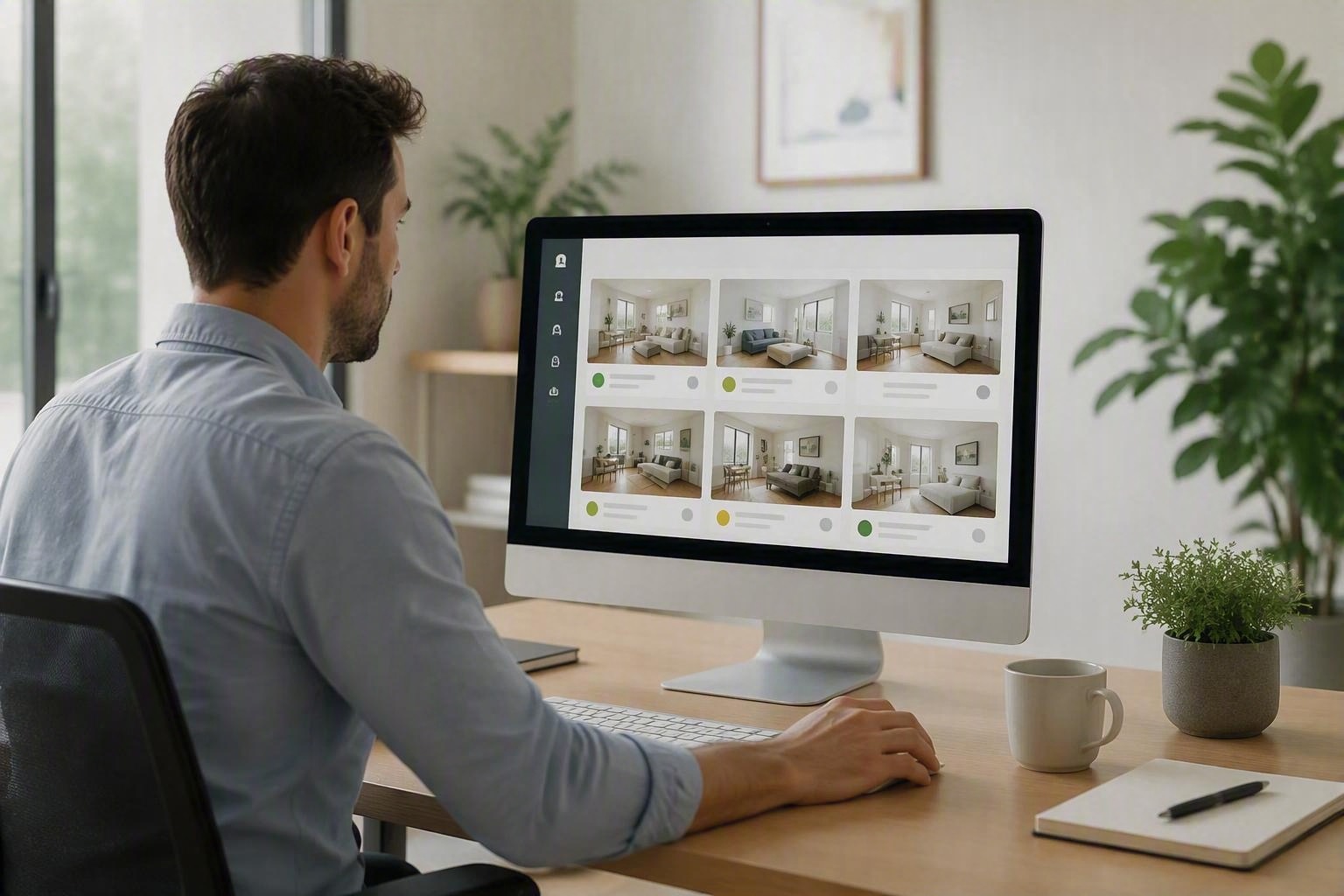
The Great Challenge of Scaling in the Holiday Rental Sector
The holiday accommodation market has experienced unprecedented growth over the last decade. What began as a simple collaborative economy model has rapidly transformed into a highly professionalised, competitive, and tech-driven global industry. For modern property managers, this exponential growth presents a classic corporate dilemma: how can you scale your portfolio of properties under management without allowing operational costs, overheads, and administrative stress to completely devour your profit margins?
When you are managing just one or two holiday apartments, handling tasks manually is entirely viable. You can easily respond to guest messages individually, coordinate cleaning schedules via WhatsApp, update availability calendars manually across two portals, and greet guests in person with keys in hand. However, when your portfolio expands past five, ten, twenty, or fifty properties, this artisanal, hands-on approach becomes physically and operationally unsustainable.
Without the right systems in place, operational chaos quickly ensues. Double bookings (overbookings) multiply, communication lag-times increase, negative reviews begin to accumulate, and your core team quickly experiences severe burnout. To break through this operational glass ceiling, you do not need to work longer hours; you need to work smarter. The answer lies in the strategic automation of multiple holiday apartment management through a robust, integrated digital ecosystem powered by a cloud-based property management system (PMS), reliable channel managers, and automated operations tools.
The Challenge of Scaling: From Managing 3 Apartments to Leading a Professional Property Portfolio
Transitioning from a small, self-employed holiday rental host to leading a highly scalable property management company requires a radical shift in your operational mindset. The primary bottleneck to scaling your business is rarely a lack of guest demand; instead, it is almost always the inherent inefficiency of your internal, day-to-day processes.
The Bottleneck of Manual Operational Work
To understand why scaling is so difficult, let's break down the sheer volume of administrative micro-tasks generated by a single booking. For every single reservation that enters your system, your team must execute a precise sequence of critical actions:
- Booking Confirmation & Welcome: Sending immediate confirmation messages, payment receipts, and initial arrival instructions.
- Legal Compliance: Collecting guest identity documents, passports, and signatures for mandatory local traveller registrations and police reports.
- Operations & Cleaning: Coordinating check-out times, scheduling cleaning staff, verifying linen changes, and preparing the property for the next arrival.
- Guest Relations: Handling real-time inquiries during the stay, such as Wi-Fi troubleshooting, lost keys, heating adjustments, or local recommendations.
- Check-out & Reviews: Sending departure instructions, managing key returns, inspecting the property for damage, and proactively asking for 5-star reviews.
Now, let's look at the math. If you manage 15 apartments with an average guest stay of 3 nights, you are looking at approximately 150 bookings per month. Each booking requires at least 5 to 7 distinct communications and operational touchpoints. This translates to over 1,000 manual tasks and messages every single month. Attempting to handle this volume manually turns your management team into reactive fire-fighters, leaving absolutely no time to focus on strategic growth, owner acquisition, or yield management.
Loss of Profitability due to Lack of Control and Human Error
Operating without automated systems does not just cause stress; it directly damages your bottom line. A single manual error—such as forgetting to update a calendar on Booking.com after receiving an instant booking on Airbnb—can lead to a costly overbooking. Overbookings result in expensive guest relocation fees, platform penalties, and devastating negative reviews that permanently lower your search visibility on major OTAs (Online Travel Agencies).
Similarly, if your cleaning crew does not receive a real-time notification about an unexpected early checkout or a last-minute booking modification, a guest might arrive at an uncleaned apartment. In the digital hospitality era, a dirty apartment guarantees a 1-star review, which can take months of perfect scores to recover from. This is why professional holiday rental management software has evolved from an optional luxury for large hotel chains into an absolute operational necessity for any ambitious property manager looking to scale holiday rental business operations successfully.
What Is a Digital Ecosystem for Holiday Rental Management?
To scale and automate your business successfully, simply purchasing isolated software tools is not enough. You must build a cohesive, integrated digital ecosystem where data flows seamlessly between your core systems in real time. A modern, high-yielding tech stack for vacation rentals relies on three fundamental, interconnected pillars:
| Component | Primary Function | Key Benefit for Scaling |
|---|---|---|
| Property Management System (PMS) | Serves as the central brain of your business, housing all booking data, guest details, financial reporting, and master calendars. | Eliminates data silos, provides a single source of truth, and centralises multi-property management. |
| Channel Manager | Synchronises rates, availability, and booking restrictions across all OTAs (Airbnb, Booking.com, VRBO, etc.) instantly. | Prevents double bookings, maximises online exposure, and enables automated rate updates. |
| Operational Automation Tools | Manages automated guest messaging, smart lock access, cleaning schedules, and dynamic pricing algorithms. | Drastically reduces manual labor, eliminates human error, and ensures a consistent guest experience. |
The Core of the System: The PMS (Property Management System)
The Property Management System (PMS) is the central nervous system of your entire holiday rental business. It consolidates all reservation data, guest communications, financial records, and operational tasks into one single, unified dashboard. A modern, cloud-based PMS allows you to monitor your entire portfolio from any device, anywhere in the world. Whether you are tracking occupancy rates, reviewing monthly owner payouts, or assigning tasks to your maintenance team, the PMS provides the visibility and control needed to manage multiple properties with ease.
The Distribution Engine: The Channel Manager and Real-Time Synchronisation
To achieve high occupancy rates and maximise revenue, you must list your properties across multiple distribution channels simultaneously, including Airbnb, Booking.com, VRBO, Expedia, and your own direct booking website. However, managing multiple channels manually is an operational nightmare.
This is where a professional Channel Manager comes in. By utilizing advanced two-way API connections, the Channel Manager ensures that whenever a booking is made on one platform, the dates are instantly blocked across all other connected channels within milliseconds. Implementing reliable booking synchronisation is the single most effective way to eliminate overbookings, protect your host accounts from platform penalties, and expand your online reach without increasing your administrative workload.
Keys to Automating Multiple Holiday Apartment Management
Once you have established your core infrastructure—your PMS and Channel Manager—you can begin activating targeted automations across your daily operations. Here is a detailed look at the key areas where vacation rental automation delivers the highest return on investment.
Centralisation of Communication and Smart Messaging
Guest communication is one of the most time-consuming aspects of property management. Fortunately, up to 80% of all guest inquiries are highly predictable. Guests frequently ask the same questions: "How do I get to the property?", "What is the Wi-Fi password?", "Can I check in early?", "Where should I park my car?"
By implementing automated messages to guests, you can ensure that your customers receive prompt, helpful, and professional responses without your team having to type out a single word manually. You can design highly personalized, dynamic message templates that automatically populate with the guest's name, booking dates, and property details, triggered by specific events:
- Immediately Upon Booking: Send a warm welcome message, confirm their booking dates, and provide a secure link to complete their online check-in and legal registration.
- 3 Days Before Arrival: Send detailed check-in instructions, GPS coordinates, parking tips, and curated local recommendations (restaurants, supermarkets, attractions).
- The Morning of Check-in: Automatically deliver their unique, time-sensitive smart lock access code and remind them of your standard check-in time.
- The Day Before Departure: Send clear check-out instructions, including where to leave trash, key return procedures, and a friendly reminder of the checkout time to assist your cleaning schedules.
- 24 Hours After Check-out: Send a personalized thank-you message, express your appreciation for their stay, and provide a direct link to leave a 5-star review on the booking platform.
This systematic approach to guest communication ensures that your guests always feel supported and informed, which dramatically reduces incoming messages, minimizes friction, and consistently boosts your online ratings.
Automation of Cleaning, Maintenance, and Quality Control
Housekeeping operations are often the most challenging aspect of scaling a short-term rental business. A single cleaning failure can destroy your brand's reputation instantly. To scale successfully, you must automate your cleaning logistics by directly connecting your booking calendar to your cleaning team's management system.
With an automated workflow, the moment a booking is confirmed, modified, or cancelled in your PMS, a corresponding cleaning task is automatically generated and assigned to your housekeeping staff. Modern operational tools allow cleaning personnel to access a dedicated mobile application where they can view their daily schedules, receive real-time notifications of last-minute changes, and follow interactive, property-specific checklists. To maintain strict quality standards, cleaners can be required to upload photos of the completed work (e.g., the set dining table, clean bathrooms, and filled amenities) directly through the app before the property is marked as "ready for check-in" in your master dashboard.
Automated Check-in and Keyless Access Control
Physical key handovers are highly inefficient, expensive to coordinate, and cause unnecessary friction for both managers and guests. If a guest's flight is delayed, a staff member must wait at the property for hours. If a guest loses their physical keys, you face expensive locksmith fees and compromised property security.
Implementing smart check-in holiday rentals solutions through integrated electronic locks completely resolves these challenges. By connecting smart locks (such as Nuki, Yale, or Tedee) directly to your PMS, the system automatically generates a unique, temporary access code for each individual reservation. This code is programmed to active only during the guest's scheduled stay and is automatically deactivated upon checkout. The code is sent to the guest automatically once they have successfully completed their identity verification, signed their digital rental agreement, and paid any outstanding balances. This ensures a seamless, contact-free check-in experience for your guests while giving you complete, real-time visibility over who enters and exits your properties.
Strategic Benefits of Cloud Software and Scalable Systems
Transitioning from manual operations to an automated, cloud-based management model is not just about daily convenience; it is a vital strategic decision that fundamentally improves the long-term profitability, value, and viability of your business.
Drastic Reduction in Operating Expenses (OpEx)
By automating repetitive, administrative tasks, your existing team can easily manage three to four times as many properties without requiring additional office staff or overheads. You will significantly reduce travel costs associated with physical key handovers, lower your phone bills, and eliminate the financial losses caused by manual booking errors, missed cancellations, or uncharged tourist taxes. This dramatic increase in operational efficiency allows you to maintain lean, highly profitable business margins as you grow your portfolio.
Optimisation of Revenue Management and Dynamic Pricing
To maximize your rental yields, you cannot rely on flat seasonal pricing or manual price updates. Modern property management systems integrate seamlessly with advanced dynamic pricing engines (such as PriceLabs, Wheelhouse, or Beyond). These sophisticated algorithms analyze hyper-local market demand, competitor occupancy, historical trends, local events, seasonality, and even weather patterns in real time to automatically adjust your nightly rates multiple times a day.
This automated approach to revenue management ensures that you are always selling your nights at the optimal price point—maximizing your Average Daily Rate (ADR) during peak demand periods and securing consistent bookings during low seasons by automatically offering competitive, data-driven rates.
Improving Guest Experience and Online Reputation
A common misconception is that automation dehumanises hospitality. In reality, when executed correctly, automation significantly improves the guest experience. By automating your routine administrative tasks, your team is freed from tedious paperwork and can focus on delivering high-quality, personalized customer service when guests actually need support. A smooth, self-guided check-in, instant answers to questions, and an immaculately clean property are the key drivers of excellent guest reviews. These positive reviews, in turn, boost your listings' visibility in OTA search algorithms, driving a continuous cycle of organic bookings and increased revenue.
How to Implement a Technological Transition Without Losing Your Mind
Upgrading your holiday rental business with new software and automation can feel overwhelming. To prevent operational disruption and ensure a smooth transition, it is essential to follow a structured, step-by-step implementation plan.
Phase 1: Audit Your Current Workflows
Before purchasing any new software, take the time to map out your existing operational workflows. Identify which tasks consume the most time for your team, where mistakes or communication gaps occur most frequently, and which booking channels generate the majority of your revenue. This audit will help you identify your primary operational bottlenecks and determine which automations will deliver the most immediate value to your business.
Phase 2: Build Your Scalable Tech Stack
Avoid the temptation to look for a single, all-in-one software tool that claims to do absolutely everything. Often, these platforms are overly complex and lack depth in key areas. Instead, choose an agile, robust core PMS like Macufy that offers an open API and reliable, native integrations with industry-leading specialized tools, including smart locks, dynamic pricing engines, automated guest screening services, and operational task managers. This modular approach allows you to build a highly customized tech stack tailored specifically to your business needs.
Phase 3: Team Training and Owner Onboarding
Technology is only as effective as the people who use it. Dedicate sufficient time to training your office staff, guest relations team, and housekeeping crews on how to use the new platforms. Additionally, communicate the benefits of these technological upgrades to your property owners. Explain how automated guest screening protects their homes, how smart locks improve property security, and how automated dynamic pricing maximises their monthly rental income. Providing transparent, data-rich reports from your new PMS will build trust and reinforce your position as a highly professional, tech-forward property manager.
The Future of Holiday Apartment Management: AI and Predictive Automation
Rule-based automation is just the beginning. The future of the holiday rental industry is deeply intertwined with Artificial Intelligence (AI), machine learning, and predictive automation.
We are already seeing the emergence of advanced AI-powered guest communication tools capable of drafting highly accurate, personalized responses to complex guest inquiries by analyzing the context of previous conversations. Additionally, smart IoT (Internet of Things) sensors are becoming standard in modern properties, allowing managers to monitor noise levels, detect unauthorized parties before they escalate, and track anomalous water or energy consumption—such as an air conditioning unit left running at full capacity with open windows—to protect properties and lower utility bills. By adopting a scalable, cloud-based digital infrastructure today, you position your business to easily integrate these cutting-edge innovations tomorrow, keeping you far ahead of your competition.
Conclusion: Automation Is Not an Option, It Is the Engine of Your Growth
In today's highly competitive holiday rental market, property managers who continue to rely on manual, analogue processes are limited in their ability to scale and are highly vulnerable to operational burnout. Automating your multi-property operations through professional cloud-based software and a reliable PMS does not reduce the warmth of your hospitality; rather, it professionalises your business, eliminates costly human errors, and frees up invaluable time to focus on strategic growth, owner relationships, and delivering exceptional guest experiences.
Embracing technology is the ultimate lever that will allow you to transform a demanding, time-consuming self-employment job into a highly profitable, automated, and scalable property management enterprise. The time to digitize, automate, and scale your operations is now.