
Holiday Rental Tech Trends for 2026: A Guide for Owners
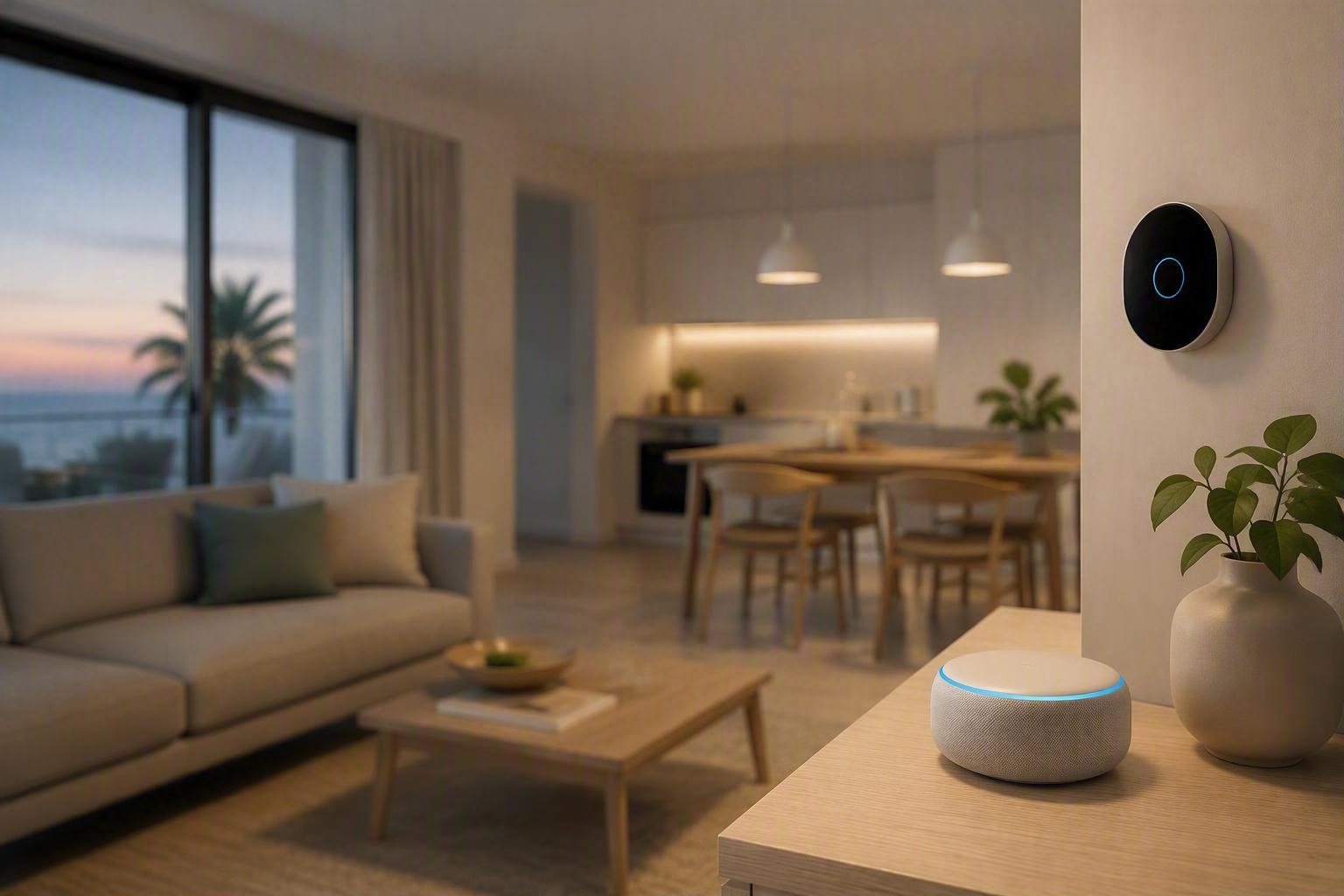
The New Ecosystem of Holiday Rental Management: A Guide to Maximizing Revenue and Efficiency
The tourist accommodation sector is undergoing an unprecedented metamorphosis. Looking ahead, digitalisation has ceased to be an optional competitive advantage and has become an indispensable requirement for survival, scalability, and profitability. Today's guests, dominated by the Millennial and Gen Z generations, demand seamless, personalised, and immediate experiences. For property owners and property managers, this means that adopting the latest innovations in holiday rental management not only improves customer satisfaction but also optimises daily operations, reduces overhead costs, and maximises revenue per available room (RevPAR).
In this in-depth analysis, we will explore how artificial intelligence, process automation, advanced home automation (Smart Homes), and immersive digital experiences are redefining the hospitality business. If you want to keep your properties occupied, your guests happy, and your operating costs under strict control, this detailed guide will provide the technological roadmap you need to implement starting today.
1. Artificial Intelligence (AI) as a Driver of Hyper-Personalisation
Artificial Intelligence has moved beyond the hype phase to establish itself as the operational engine of the modern tourism industry. In today's competitive landscape, AI does not just answer frequently asked questions; it predicts consumer behaviour, optimises distribution channels, and personalises every single touchpoint of the guest journey.
Next-Generation Virtual Concierges and Conversational Assistants
Basic rule-based chatbots that only recognized pre-set keywords have given way to conversational agents powered by large language models (LLMs). These virtual assistants are capable of understanding natural language, local context, the emotional tone of the guest, and specific property details in real time.
- Instant multi-language support: Fluid communication in dozens of languages without the need for human translators or bilingual staff. This ensures international guests feel welcomed and understood from the first message.
- Hyper-personalised recommendations: Suggestions for local restaurants, hidden gems, hiking routes, and cultural activities tailored specifically to guest profiles (e.g., families with young children, couples on romantic getaways, or remote digital nomads).
- Instant issue resolution: Ability to guide guests through step-by-step troubleshooting, such as operating a specific brand of espresso machine, adjusting the smart heating system, accessing the high-speed Wi-Fi network, or locating spare household items.
Dynamic and Predictive Pricing Algorithms
Rate optimisation is no longer limited to differentiating between high and low seasons or setting weekend surcharges. Modern dynamic pricing algorithms analyze millions of external data points per second to adjust rates dynamically. These variables include:
- Real-time flight search volume and airline booking trends to your destination.
- Last-minute local events, concerts, sports tournaments, and professional conferences.
- Short, medium, and long-term weather forecasts that might influence spontaneous trips.
- Direct competitor pricing, occupancy rates, and cancellation frequencies across multiple platforms.
By leveraging these predictive models, holiday rental owners can automatically adjust prices to the exact penny, ensuring the highest possible occupancy rate while capturing the maximum premium the market is willing to pay at any given moment.
AI-Driven Guest Sentiment Analysis
Beyond pricing and communication, advanced AI tools now scan incoming reviews and pre-arrival messages to detect the sentiment and expectations of your guests. If an AI system detects frustration in a guest's pre-arrival message regarding check-in times, it can automatically flag this to the host or offer a complimentary early check-in if the property is ready, turning a potential negative review into a five-star experience before the guest even arrives.
2. Full Automation of Operational Management
Time is the most valuable and scarce resource for any tourist accommodation manager. Automating repetitive administrative tasks not only drastically reduces staffing and operational costs but also eliminates human errors—such as missed bookings or delayed check-in instructions—that can ruin a guest's first impression.
Real-Time Channel Synchronisation and the Death of Double Bookings
Manually listing and updating a property on Airbnb, Booking.com, VRBO, Expedia, and direct booking websites is a recipe for operational disaster. It leads to double bookings, mismatched pricing, and eventual penalties from major booking platforms that can destroy your search ranking.
To mitigate this, current technology allows for instant two-way synchronisation. Implementing a robust booking synchronisation system ensures that any change in one platform's calendar is immediately reflected across all other channels within seconds. This centralisation not only protects your brand reputation but also allows you to execute a stress-free multi-channel distribution strategy, maximizing your property's online visibility.
Automated and Humanised Guest Communication
Manually typing and sending arrival instructions, digital keys, house rules, and thank-you messages consumes hours of administrative work every week. The modern standard is the smart scheduling of communication flows that adapt dynamically to guest actions, booking dates, and check-in statuses.
By using automated guest messaging tools, managers can build relationship-building touchpoints at the exact moment they are needed: the digital entry code is sent 24 hours before check-in, a courtesy message lands the morning after arrival to verify everything is perfect, and detailed check-out instructions are delivered the night before departure. The result is a constantly supported, highly informed guest and an owner freed from being glued to their smartphone screen.
Operational Messaging Flowchart
To visualize how automated communication streamlines the guest journey, review the typical automated message flow outlined below:
| Trip Phase | Key Automated Message Trigger | Recommended Channel | Primary Objective |
|---|---|---|---|
| Booking Confirmation | Sent immediately after payment is verified. Contains a warm welcome, booking details, and a link to the digital house guide. | WhatsApp / Email | Build trust and set clear expectations immediately. |
| 24 Hours Before Check-in | Sent automatically 1 day prior to arrival. Includes step-by-step directions, parking details, and the unique smart lock access code. | WhatsApp / SMS | Ensure a seamless, self-guided check-in experience without friction. |
| First Morning of the Stay | Sent at 10:00 AM on the day after arrival. A quick check-in to ask if everything is comfortable and offer local breakfast suggestions. | In-app Messaging | Proactively catch any issues before they turn into negative reviews. |
| Night Before Check-out | Sent at 7:00 PM on the final night. Reminds guests of check-out times, where to leave keys, trash disposal rules, and how to lock up. | Email / WhatsApp | Ensure a smooth departure process and facilitate quick turnover for cleaning crews. |
| Post-Departure (24h later) | Sent 1 day after check-out. Expresses gratitude for their stay and provides a direct link to leave a 5-star review. | Boost review generation and invite direct repeat bookings. |
Automated Cleaning and Maintenance Dispatch
Operational automation goes beyond guest-facing interactions. Modern property management software (PMS) automatically alerts cleaning crews and maintenance staff the moment a booking is confirmed, modified, or checked out. Task lists, photo upload requirements for quality control, and damage reporting can all be handled within dedicated staff portals, ensuring your property is always guest-ready with minimal coordination oversight.
3. Smart Homes and Home Automation: Efficiency, Control, and Security
Smart properties are no longer a luxury reserved for high-end boutique hotels. Today, home automation (IoT) applied to holiday rentals serves a crucial dual purpose: significantly improving the guest's stay experience while optimizing the owner's energy consumption and protecting the physical asset.
Keyless Entry Systems and Autonomous Check-in
The physical handover of keys is obsolete, logistically complex, and highly insecure. Internet-connected smart locks (IoT) allow for fully autonomous, secure, and flexible access management.
- Unique temporary access codes: Each guest receives an access code that is only active during the precise hours of their booking. Once check-out time arrives, the code is automatically deactivated, preventing unauthorized re-entry.
- Seamless PMS integration: Upon booking confirmation, the smart lock system automatically generates the unique code and syncs it with your communication templates, sending it to the guest without any manual intervention from your side.
- Supplier and maintenance logs: Cleaning crews, gardeners, and maintenance technicians receive their own persistent or scheduled codes, allowing owners to track exactly who entered the property and at what time, improving security and accountability.
Smart Climate Control and Energy Efficiency
One of the largest operational expenses for holiday rental owners is energy waste. It is common for guests to leave air conditioning or heating running at maximum power while they are out exploring the city for 12 hours, or worse, with windows and doors wide open. Smart energy management systems solve this issue at its root:
- Occupancy-linked thermostats: Smart thermostats integrate with motion and heat sensors. If the system detects that the property has been empty for a set period (e.g., 2 hours), it automatically adjusts the temperature to an eco-saving mode.
- Window and door sensors: If a guest opens a balcony door or window while the air conditioning is running, the sensor pauses the climate control system until the window is closed, saving up to 35% on monthly utility bills.
- Pre-arrival climate prep: Turn on the heating or cooling remotely just a couple of hours before the guest arrives, ensuring a comfortable environment the second they step through the door without wasting energy for days prior.
Non-Invasive Noise Sensors and Community Relations
Maintaining an excellent relationship with neighbors and the local community is vital for the long-term viability of any holiday rental business. Non-invasive noise monitoring sensors (such as Minut or NoiseAware) have become an industry standard. These devices measure decibel levels and duration without recording conversations, preserving complete guest privacy while protecting your property.
If the noise level exceeds a pre-set threshold (e.g., 75 dB for more than 10 minutes during quiet hours), the system automatically triggers a friendly automated text message to the guest, asking them to respect the quiet hours. If the noise persists, the owner or property manager is immediately alerted to step in before neighbors complain or local authorities are called.
4. Immersive Digital Experiences for the Modern Traveler
The booking process and the stay itself have become highly visual, interactive, and digital. Immersive technologies help your listings stand out in crowded marketplaces, drive higher conversion rates, and manage realistic expectations, which drastically reduces negative reviews caused by misunderstandings about the layout or size of the accommodation.
High-Fidelity 3D Virtual Tours
Before committing to a booking, modern travelers want to explore the physical space as if they were already standing in it. Interactive 3D virtual tours (powered by technologies like Matterport) allow prospective guests to walk through every room, check the exact layout of the property, inspect the kitchen amenities, and even view the real perspective from the balcony. This level of transparency builds immense trust, increases booking conversion rates, and attracts higher-paying corporate and premium guests.
Interactive and Dynamic Digital Welcome Guides
The old, dusty, laminated paper binder sitting on the coffee table with outdated house rules is officially dead. In its place, interactive digital welcome guides accessible via a quick QR code scan offer an enriched, modern guest experience:
- Short video tutorials: Instead of text instructions, provide 30-second video clips showing guests exactly how to use the smart TV, how to operate the espresso machine, or how to fold out the sofa bed.
- Interactive Google Maps integrations: Curate your personal recommendations for local cafes, supermarkets, emergency pharmacies, and parking spaces, allowing guests to navigate directly to them using their phones.
- Up-selling additional services: Monetize your digital guide by offering add-on services with a single click, such as late check-outs, mid-stay cleanings, luggage storage, private airport transfers, or a welcome basket filled with local delicacies.
5. Cybersecurity, Compliance, and Digital Trust
As holiday rentals become increasingly digitized, they also become prime targets for cyber threats, identity theft, payment fraud, and data breaches. Building digital trust and ensuring absolute security is no longer just a legal obligation; it is a core pillar of your brand's reputation.
Automated Identity Verification and Guest Screening
To prevent fraudulent bookings, chargebacks, and illegal activities (such as unauthorized parties or subletting), modern property managers implement automated guest screening and identity verification. Using AI-powered biometric software, guests can securely upload a photo of their government-issued ID and perform a quick facial match selfie prior to receiving their smart lock access codes. This ensures that the person who booked the property is indeed the person staying, keeping your home and your neighborhood safe.
Secure Payment Processing and Tokenisation
Handling guest credit card details manually or storing them in insecure spreadsheets is a massive liability. All payment processing must comply with the strict Payment Card Industry Data Security Standard (PCI-DSS). Utilizing advanced payment gateways that tokenise card details ensures that sensitive financial data is never stored on your servers, protecting both the owner and the guest from potential cyber theft.
6. Tech-Driven Sustainability (GreenTech) for Eco-Conscious Travelers
The modern traveler prioritizes accommodations that demonstrate a real, measurable commitment to environmental sustainability. Green technology (GreenTech) not only appeals to this rapidly growing demographic but also significantly improves your business's bottom line by reducing resource consumption.
Smart Water Management and Leak Detection
Water damage is one of the most expensive and disruptive incidents that can occur in a rental property. Smart water flow sensors installed on the main water line can detect micro-leaks or running toilets immediately. If an abnormal flow is detected, the system can automatically shut off the water valve and alert the maintenance team, saving thousands of dollars in utility bills and structural repairs. Additionally, high-quality, smart aerators in showers and taps ensure a luxurious water pressure experience for guests while reducing overall water usage by up to 40%.
Carbon Footprint Monitoring and Offsetting
Some of the most forward-thinking property management companies are now integrating carbon offset tools directly into their booking systems. By tracking the energy consumption of a guest's stay, the system calculates the carbon footprint and offers the guest the option to purchase carbon offsets at checkout. These micro-donations go directly to certified local reforestation, conservation, or renewable energy initiatives, allowing guests to travel guilt-free and positioning your brand as a leader in sustainable tourism.
How to Prepare Your Holiday Rental Business for the Future: A Step-by-Step Roadmap
Adopting all these cutting-edge technologies at once can feel overwhelming. However, the key to successful digital transformation lies in gradual, strategic, and high-impact implementation. Here is a practical, step-by-step action plan to upgrade your holiday rental business starting today:
- Audit Your Current Operations: Identify your biggest pain points. Are you spending too much time answering repetitive questions? Are your utility bills eating up your profit margins? Focus on automating the areas that cause the most friction first.
- Centralise Your Management with a PMS: Implement an all-in-one Property Management System (PMS) that acts as the single source of truth. This software should handle calendar synchronisation, automated messaging, and direct bookings from one central dashboard.
- Upgrade to Smart Access: Install a high-quality, PMS-compatible smart lock. Eliminating physical key handovers is the single most impactful upgrade you can make to improve operational efficiency and guest satisfaction.
- Install Basic Smart Home Sensors: Protect your property and your wallet by installing a smart thermostat and a non-invasive noise monitor. These two devices typically pay for themselves within the first few months of operation.
- Digitalise the Guest Experience: Replace your paper house manual with a beautiful, mobile-friendly digital welcome guide. Add short video tutorials for appliances and curate your favorite local recommendations.
To delve deeper into the global evolution of this sector, understand emerging market trends, and learn about international standards for the digitalisation of tourist accommodation, we highly recommend consulting the official publications of the World Tourism Organization (UN Tourism), where the integration of technology, sustainability, and global tourism policies is regularly analyzed.
Conclusion: The Future Belongs to Connected and Automated Owners
The holiday rental landscape no longer penalizes hosts who fail to adopt technology; it simply filters them out of the market. Guests today do not view smart locks, instant communication, and digital guides as premium perks—they view them as standard expectations. Properties that rely on manual check-ins, slow response times, and legacy management methods will struggle to compete against highly optimized, tech-enabled listings.
By automating your daily operations, digitalising your guest communication, and making your property smarter and more sustainable, you do not just offer a flawless five-star service to your guests. You also reclaim your personal time, eliminate operational headaches, reduce overhead costs, and maximize your return on investment (ROI). All-in-one tools like Macufy are specifically designed to simplify this transition, allowing you to manage all your bookings, multi-channel synchronisations, automated communications, and daily tasks from an intuitive, powerful, and unified platform. The future of holiday rental management is already here, and it is time to take the reins.