
Decorating Holiday Accommodation: How to Attract More Guests
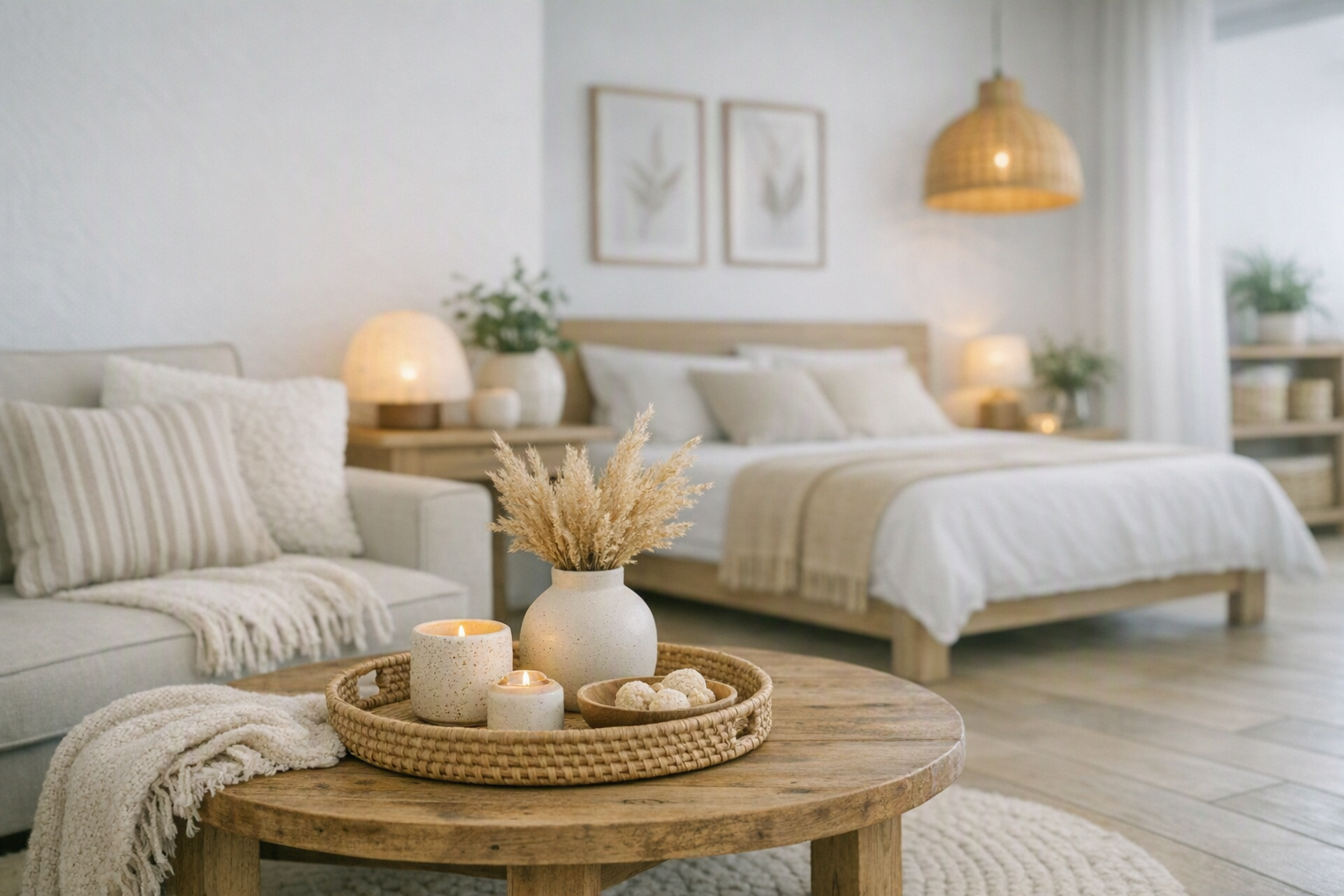
The power of interior design in holiday rentals
In the competitive holiday rental market, first impressions are not just important; they are everything. When a user browses platforms like Airbnb, Booking.com or Vrbo, they have hundreds of options just a click away. In this scenario, holiday accommodation decoration becomes the most powerful marketing tool to capture the user's attention in milliseconds and transform a simple click into a confirmed booking.
Many owners make the mistake of furnishing their properties with the leftovers from their own homes or with the cheapest, most generic furniture on the market. However, strategic interior design should not be seen as an expense, but as a high-return investment. A well-designed space not only stands out in photographs but also justifies a higher nightly rate, improves guest reviews and builds customer loyalty for future stays.
Throughout this article, we will analyse in depth how to design, furnish and decorate your holiday property to maximise your income, optimise the customer experience and position your business at the top of the sector.
The direct impact of aesthetics on conversion rates
To understand the importance of design, it is essential to analyse digital consumer behaviour. The booking process for a trip is purely aspirational. The guest is not just looking for a place to sleep; they are looking for a temporary life experience. They want to imagine themselves having a morning coffee on that sunny terrace or relaxing on a cosy sofa after a day of sightseeing.
The "scroll stopper" effect on booking platforms
The main goal of your listing's cover photo is to stop the user's rapid scrolling. An attractive colour palette, flawless lighting and careful styling act as a visual magnet. If your property stands out aesthetically from the surrounding competition, your click-through rate (CTR) will increase dramatically. The higher the number of visits to your listing, the higher the statistical probability of securing bookings.
Increasing the Average Daily Rate (ADR)
The perception of value is directly linked to the aesthetics of the space. An apartment with a coherent, modern and premium-looking decor allows owners to increase their average daily rate (ADR) by between 15% and 35% compared to similar properties in the same area that lack a thoughtful design. Guests are willing to pay extra for environments they perceive as clean, elegant and comfortable.
Decor styles that work best in the holiday sector
Not all decorative styles work equally well in the holiday rental sector. It is crucial to choose an aesthetic line that is universally appealing, yet at the same time brings personality and character to the space. Below, we analyse the most profitable and high-demand trends:
1. Warm minimalism or Japandi style
This style combines the functionality of Scandinavian design with the serenity of Japanese aesthetics. It is characterised by the use of neutral tones (whites, beige, soft greys), light woods, natural fibres (such as wicker or rattan) and clean lines.
- Why it works: It conveys a deep sense of peace, cleanliness and order, qualities highly valued by travellers looking to disconnect.
- Design key: Avoid the coldness of extreme minimalism by adding textures through linen cushions, jute rugs and green indoor plants.
2. The Mediterranean style: Freshness and natural connection
Ideal for properties located in coastal areas or temperate climates. It is based on the use of white as an absolute base, combined with touches of cobalt blue, terracotta or olive green. The star materials are plaster, stone, rustic wood and linen textiles.
- Why it works: It instantly evokes holidays, sunshine and relaxation. It is a style that breathes freshness and authenticity.
- Design key: Go for walls with organic textures, decorative arches and artisanal ceramic tableware displayed on open shelves.
3. Urban industrial design for city apartments
Perfect for lofts or apartments located in the centre of large metropolises. It uses exposed structural elements such as brick walls, pipes, wooden beams and concrete columns, combined with wrought iron and leather furniture.
- Why it works: It provides a sophisticated, cosmopolitan and modern air that fits very well with the profile of business travellers or young urban tourists.
- Design key: Soften the harshness of metal and concrete by introducing warm textiles, warm lighting with exposed filament bulbs and large-format abstract art paintings.
4. Modern rustic or "Cabin Core" style
An excellent option for country houses, mountain accommodation or rural tourism. It combines the warmth of aged wood and stone with contemporary elements of simple lines and modern appliances.
- Why it works: It offers a cosy and nostalgic retreat experience, ideal for escaping the hustle and bustle of cities during winter or weekends.
- Design key: A well-integrated fireplace (even an electric one with a flame effect), thick woollen blankets and peripheral lighting in very warm tones.
Step-by-step guide: Strategic decoration room by room
To achieve a coherent and functional interior design, we must analyse each room individually, paying attention to both aesthetics and practical usability.
The living room: Comfort, spaciousness and multi-functionality
The living room is usually the room where guests spend most of their waking time. It must be a versatile space that invites relaxation, but can also serve as a work area or family gathering spot.
- The sofa: This is the key piece. It must be extremely comfortable, with removable and washable upholstery. If your accommodation hosts large groups, a high-quality Italian-opening sofa bed is an excellent way to increase guest capacity (and therefore your income) without compromising daytime space.
- The coffee table: Opt for designs with rounded edges to avoid accidents, especially if you accept families with young children.
- The TV area: Mount the TV on the wall to free up visual space and completely hide cables using trunking or wall integration. A floating TV unit will bring lightness to the space.
The master bedroom: A five-star sanctuary of rest
Sleep quality is the factor that most influences five-star reviews for your accommodation. A poorly designed bedroom will ruin the guest experience, no matter how beautiful the rest of the house is.
- The bed: Invest in a medium-firm mattress and a waterproof, silent mattress protector. The headboard should be the focal point of the bedroom; those made of carved wood, padded textiles or natural fibres photograph spectacularly.
- Bedding: Always use pure white sheets and duvet covers, preferably made of at least 200-thread-count cotton. White conveys an unmistakable sense of hygiene and professional cleanliness, similar to that of a luxury hotel.
- Pillows and cushions: Offer at least two types of pillow firmness per guest. Add decorative cushions and a throw or blanket at the foot of the bed to add layers and textures to the photography.
- Light control: Install blackout curtains or efficient blinds. Many travellers cannot sleep if even the slightest ray of light enters at dawn.
The kitchen: Visual functionality and complimentary details
Even if guests plan to eat out, a clean, modern and well-equipped kitchen greatly influences the booking decision.
- Clutter-free surfaces: Keep worktops as clear as possible. Store small appliances inside cupboards, leaving out only those that add aesthetic value, such as a retro-style coffee maker or an elegant kettle.
- Coffee corner: Create a small coffee station with pretty cups, complimentary capsules, different types of tea and sugar. This small decorative and functional detail is one of the most photographed by guests and substantially improves the welcome experience.
- Coordinated tableware: Avoid mismatched tableware. Buy a uniform set of plates, glasses and cutlery of a simple but robust design. Stoneware tableware in neutral tones photographs much better than standard clear glass.
The bathroom: A private spa experience
The bathroom must project absolute cleanliness. Any sign of wear, mould or dirt will completely destroy your accommodation's reputation.
- Quality towels: Just like with the sheets, towels should be white, thick (at least 500 g/m??) and perfectly folded or rolled on the bed or on a bathroom shelf.
- Storage and order: Place wicker baskets or organising boxes so that guests can place their toiletries without cluttering the space.
- Details that make a difference: Add plants that handle humidity well (such as ferns or pothos), an aroma diffuser with fresh fragrances (citrus or lavender) and uniform design refillable soap dispensers instead of single-use commercial plastic bottles.
Terraces and outdoor areas: The deciding factor for summer
If your accommodation has a balcony, terrace or garden, this space should be treated with the same care as the interior. A well-equipped outdoor space can be the ultimate argument for a guest to choose your property over another without outdoor areas.
- Durable furniture: Use outdoor furniture made of weather-resistant and UV-resistant materials, such as aluminium, treated teak wood or high-quality synthetic fibres.
- Ambient lighting: Install warm LED fairy lights, solar lanterns or LED candles to create a magical atmosphere during summer nights. This translates into spectacular night photos that potential guests will fall in love with.
- Shaded areas: Make sure to provide a parasol, awning or pergola to ensure the space is also usable during the hours of strongest sunlight.
Lighting and colour: The invisible tools of Home Staging
Lighting and colour have the power to completely transform the perception of a space, making it appear larger, brighter, cosier or more luxurious without needing to change a single piece of furniture.
The 60-30-10 rule for the colour palette
To achieve professional chromatic harmony in your accommodation, we recommend applying the famous 60-30-10 interior design rule:
- 60% Dominant Colour (Neutral): Used on the largest surfaces such as walls, ceilings and main rugs. Ideal tones are off-white, beige, sand or pearl grey. These colours maximise brightness and the feeling of spaciousness.
- 30% Secondary Colour: Applied to large furniture, curtains or an accent wall. It can be a natural wood tone, earth tones, charcoal grey or soft olive green. It adds depth and character to the design.
- 10% Accent Colour: Reserved for small decorative details such as cushions, artwork, vases or blankets. Here you can afford to use bolder, more vibrant colours (such as turquoise blue, mustard or terracotta) to guide the viewer's eye and add visual dynamism to your listing's photos.
Lighting schemes to create cosy atmospheres
A very common mistake is to light a room with a single overhead light source (a ceiling lamp in the middle of the room). This creates harsh shadows and a cold, uninviting atmosphere. Instead, you should design a layered lighting system:
- General lighting: Recessed spotlights or ceiling lamps that distribute light evenly throughout the room.
- Ambient or indirect lighting: LED strips hidden behind the bed headboard or under floating furniture, floor lamps in the corners of the living room and table lamps on the bedside tables. Always use warm light bulbs (between 2700K and 3000K) to create a relaxing atmosphere.
- Task or spotlighting: Reading lights next to the bed or sofa, lights under kitchen cabinets to illuminate the work area and a well-lit bathroom mirror without shadows on the face.
Durability and maintenance: Decorating with the business in mind
Unlike a private residential home, holiday accommodation experiences extremely high physical wear and tear due to the constant rotation of guests. Therefore, decoration must be planned under the principle of durable beauty and easy maintenance.
Smart materials and high-resistance textiles
When selecting furniture and finishes, always prioritise those materials that can be cleaned quickly and that withstand knocks and daily use well:
- Floors: Avoid natural wood (easy to scratch with suitcases) or delicate wool rugs. Opt for high-resistance laminate flooring (AC5 rating or higher), wood-effect porcelain stoneware tiles or latest-generation vinyl flooring, which is 100% waterproof and extremely easy to clean.
- Walls: Use good quality washable emulsion paint to be able to clean finger marks or scuffs from suitcases with a simple damp cloth. In high-traffic areas such as the hallway or corridors, consider installing heavy-duty textured vinyl wallpaper or decorative wood panelling.
- Furniture: Avoid tempered glass surfaces (they get dirty easily and show fingerprints constantly) and untreated softwoods. Opt for hardwoods protected with polyurethane varnishes, powder-coated metals and high-quality engineering plastics.
How to avoid rapid visual wear and tear
To keep the accommodation looking pristine over time, follow these operational guidelines:
- Immediately replace any item showing signs of wear, breakage or persistent stains. A single worn cushion or a chipped mug can ruin the overall perception of cleanliness of the accommodation.
- Avoid placing too many small decorative objects (figurines, photo frames, travel souvenirs). In addition to accumulating dust and making quick cleaning tasks between bookings difficult, they increase the risk of accidental breakage by guests.
The importance of professional photography and styling
It is of no use having spectacular decoration if you are unable to convey that beauty through the screens of your potential clients' devices. Professional interior photography is the golden bridge that connects your design investment with the user's purchasing decision.
Preparing the scene: The art of photographic styling
Before carrying out the photoshoot of your property, you must apply styling techniques to make the space look as attractive, lively and suggestive as possible:
- Open all curtains and blinds: Natural light is the most valuable resource in interior photography. Plan the photoshoot during the hours of the day when your accommodation receives the softest and most diffused sunlight.
- Add elements of life: Place fresh flowers in a vase on the dining table, a fruit bowl with colourful fruit in the kitchen, an open book on the coffee table or a steaming cup next to the bed. These subtle details humanise the space and help guests mentally project themselves enjoying their stay.
- Mind the symmetry and order: Make sure the sheets are perfectly stretched and wrinkle-free, the dining chairs are perfectly aligned and there are no visible cables in the shots.
The guest experience: Beyond the visual
The physical decoration of your accommodation is only the first step towards a truly exceptional customer experience. To make your holiday rental business run smoothly, efficiently and professionally, it is essential to combine the aesthetic appeal of your property with flawless operational management.
To ensure that this excellent first impression translates into flawless management, many owners combine attractive design with booking synchronisation tools, ensuring that the calendar is always up to date across all platforms and avoiding overbooking issues that could tarnish your brand's reputation.
Furthermore, once the design captures attention and the booking is made, you can automate the welcome by sending automated messages to guests to guide them upon arrival and further improve their experience. The combination of a stunning interior design with smooth and professional communication will create a memorable experience that will guarantee excellent reviews and recommendations.
Frequently asked questions about holiday rental decoration
How much should you invest in decorating holiday accommodation?
As a general rule, it is recommended to allocate between 10% and 15% of the estimated annual income value of the property for the initial decoration and setup. However, if you have a limited budget, always prioritise buying an excellent mattress, a comfortable and good quality sofa, a fresh coat of paint in neutral tones and warm ambient lighting.
Is it advisable to personalise the space with personal items?
No. Guests want to feel like they are experiencing a space designed especially for them, not that they are invading a stranger's home. Remove any family photographs, personal souvenirs, private collections, or religious or political objects. The space should be neutral, sophisticated and welcoming, allowing guests to mentally take ownership of the place during their stay.
How can I update the decoration on a low budget?
You can achieve a radical change in the appearance of your holiday accommodation with simple and inexpensive interventions:
- Paint the walls white or light beige to multiply the light.
- Change the kitchen and wardrobe handles for modern designs (for example, matt black metal or leather).
- Replace old textiles (cushions, curtains, rugs) with new ones featuring modern textures and coordinated colours.
- Install modern art prints in simple frames to dress empty walls.
- Add high-quality artificial plants in corners to bring visual freshness without the need for ongoing maintenance.
Conclusion: Your accommodation as an unforgettable experience
The decoration of holiday accommodation is much more than a simple matter of aesthetics; it is an indispensable business strategy to stand out in a highly competitive global market. By designing spaces that combine visual beauty, functionality, durability and comfort, you will not only be attracting a greater number of guests, but you will also be building the foundations of a highly profitable, sustainable and successful holiday rental business in the long term.
Remember that interior design is the first step in your business's conversion funnel: it is what catches the eye, generates desire and closes the booking. Dedicate the necessary time, effort and resources to create a space that is not only beautiful in the photos on booking platforms but also offers an unforgettable and comfortable stay in the real world.